
Leptorhaphis
Leptorhaphis
Description
Symptoms
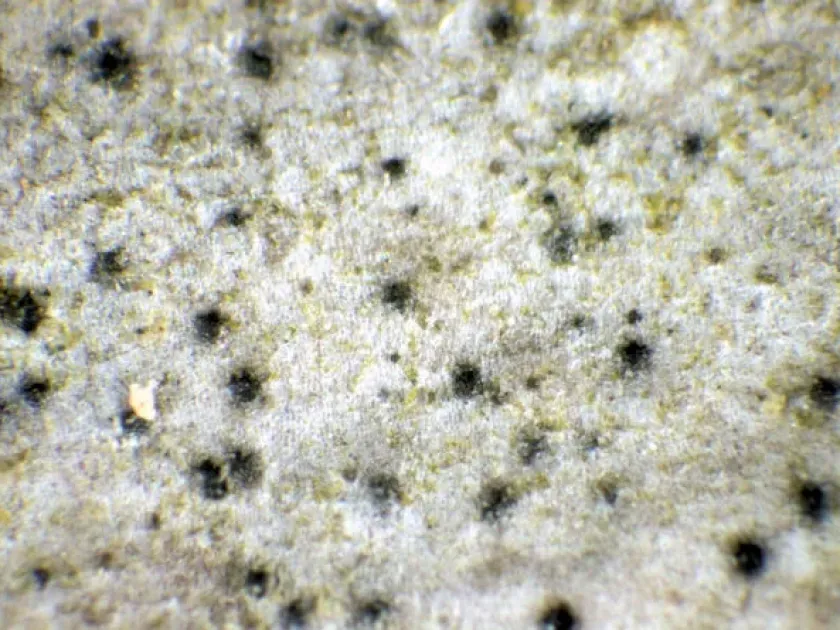
The primary sign of infection is the appearance of small, dark or black spots on the bark, which represent the emerging portions of the fungal fruiting bodies.
Bark in areas colonized by the fungus may lose its normal texture, becoming rougher, cracking, or peeling in localized patches.
Visually, the infection resembles a crust-like growth attached to the bark surface. Close inspection often reveals tiny perforations through which the fungus releases its spores.
As the fungal colonies spread, the tree may show signs of overall decline, characterized by early leaf yellowing and reduced annual shoot growth.
Infections often start in the lower parts of the trunk or on the shaded side of branches, gradually spreading upward if conditions remain favorable for the fungus.
Pathogen
Leptorhaphis is a genus of fungi belonging to the Ascomycota division. In the context of arboriculture, these organisms are often classified as lichenized fungi that typically inhabit the bark of living trees.
While these fungi generally lead an epiphytic lifestyle, under specific environmental conditions, they can exert pathogenic influence, colonizing bark tissues and disrupting their integrity.
The pathogen forms minute fruiting bodies, known as perithecia, which are embedded within the bark substrate. These structures serve as the primary organs for spore production.
Spore dissemination occurs primarily via wind and rain splashes. The fungus life cycle is intimately tied to the moisture content and surface condition of the host tree bark.
The fungus primarily targets deciduous tree species, including birch, aspen, and certain willows, particularly when the host is stressed or its defenses are compromised.
Conditions for development
High humidity is the primary catalyst for the development of Leptorhaphis. Forest stands or gardens with dense planting that restricts airflow are highly susceptible zones.
Mechanical damage to the bark, such as frost cracks, sunburn, or pruning wounds, provides entry points that facilitate the colonization of the fungal pathogen.
Trees with weakened immune systems due to nutrient deficiency or adverse climatic events are significantly more vulnerable to colonization by this microflora.
Failure to implement proper pruning and crown management leads to moisture stagnation on branches, which acts as a major stimulant for fungal growth.
Prolonged periods of overcast weather with frequent rainfall create ideal conditions for spore germination and the expansion of fungal mats on the tree surface.
Why it matters
The fungus disrupts normal gas exchange between the bark tissues and the environment, which negatively affects the physiological processes of the tree.
Compromised bark becomes susceptible to secondary infections, which can lead to deeper tissue necrosis and potential structural damage.
From an aesthetic perspective, infected trees lose their ornamental value, which is particularly detrimental in public parks and residential landscapes.
The damage caused by the fungus creates niches for wood-boring insects, further stressing the tree and potentially leading to branch dieback.
If left unmanaged, persistent infection can contribute to the premature decline of branches and a significant decrease in the overall vigor of the host plant.
Protection
The primary control measure is consistent sanitation, including the removal and destruction of heavily infected branches to reduce the inoculum pressure.
Mechanical cleaning of trunks to remove dead bark and lichen, followed by disinfection, is a highly effective way to manage and limit fungal growth.
Applying a lime wash mixed with copper sulfate to the tree trunks is a traditional and effective method to disinfect the bark and suppress fungal development.
Proper crown thinning and spacing of trees ensure improved air circulation, which prevents the excess moisture buildup necessary for fungal colonization.
In cases of severe infestation, the application of contact fungicides during early spring before bud break can significantly reduce the infection rate.
Discussion
No discussions yet — be the first.