
Leptosporomyces
Leptosporomyces
Description
Symptoms
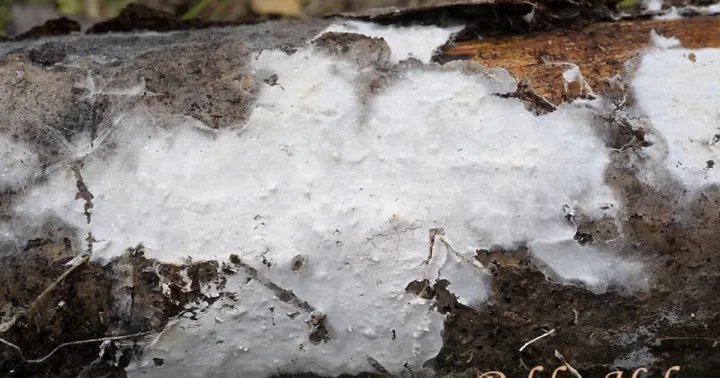
The infection usually manifests as thin, whitish, or cream-colored cobweb-like filaments covering the bark or stems of trees and shrubs.
As the infection progresses, the infected area may appear darker, and the bark might show signs of decay, such as softening or cracking, leading to localized necrotic lesions.
Symptoms often include premature yellowing and dropping of leaves on affected branches, as the disruption of the phloem and xylem inhibits nutrient flow.
In mature cases, the fungus forms flat, waxy, or leathery fruit bodies that adhere tightly to the bark surface, appearing as irregular patches.
A distinctive sign is the compromised integrity of the bark, which may produce a faint, earthy, or musty smell due to the ongoing wood decay process.
Pathogen
The pathogen Leptosporomyces belongs to the group of corticioid fungi within the Basidiomycota phylum. These fungi typically act as saprotrophs, but certain species exhibit parasitic behavior under specific conditions.
The fungus develops a thin, membranous, or effused hymenium on the surface of substrates, such as wood or bark. It releases enzymes that break down plant cell wall components, including cellulose and lignin.
Spore production is a key aspect of the life cycle, with basidiospores being dispersed by wind. High humidity levels are essential for these spores to germinate and establish new infection sites.
Leptosporomyces is characterized by its ability to colonize living plant tissues following structural weaknesses or pre-existing environmental stress.
Taxonomically, it is identified by microscopic features of the basidia and spores, as the vegetative mycelium often appears as an inconspicuous, thin layer on the infected surface.
Conditions for development
High relative humidity and frequent rainfall are the primary environmental drivers for the development and spread of Leptosporomyces infections.
Temperatures ranging from 15°C to 22°C create an ideal climate for the mycelium to spread rapidly across surfaces and penetrate deeper into the plant tissues.
Poor aeration in dense plantings, where air circulation is restricted, creates microclimates that remain damp for extended periods, facilitating fungal growth.
Mechanical damage to the bark, caused by maintenance tools, weather-related events, or pest feeding, provides the necessary entry points for fungal spores to infect the plant.
Waterlogged soil or poor drainage systems contribute to overall plant stress, reducing the tree's ability to defend itself against fungal pathogens.
Why it matters
The primary harm caused by Leptosporomyces is the physical degradation of the tree's bark and internal structure, which weakens the plant's overall vigor.
By disrupting the flow of water and nutrients, the infection can cause significant branch dieback and, in severe cases, the death of the entire plant.
The presence of this fungus makes trees more susceptible to secondary attacks by wood-boring insects and other opportunistic pathogens.
- Reduced annual growth and overall vitality.
- Aesthetic damage, which is critical for ornamental plantings.
- Economic losses due to the necessity of heavy pruning or plant removal.
- Decreased yield in fruit-bearing trees due to systemic stress.
Long-term colonization leads to wood decay, which can make branches fragile and increase the risk of breakage during wind or snow events.
Protection
Effective management begins with cultural practices, such as proper spacing and regular thinning of crowns to improve airflow and reduce humidity levels.
Sanitation is critical; all infected branches should be promptly removed and disposed of to prevent the spread of fungal spores to healthy sections of the garden.
If chemical intervention is necessary, the use of copper-based fungicides or appropriate systemic treatments can help inhibit the growth of the fungus.
Protecting the plant from mechanical injuries and treating any existing wounds with protective sealants or fungicides acts as a strong preventative measure.
Regular inspections and consistent plant care, including adequate nutrition and watering, strengthen the plant's natural resilience to fungal infections.
Discussion
No discussions yet — be the first.