
Leptopeltiosis
Leptopeltis
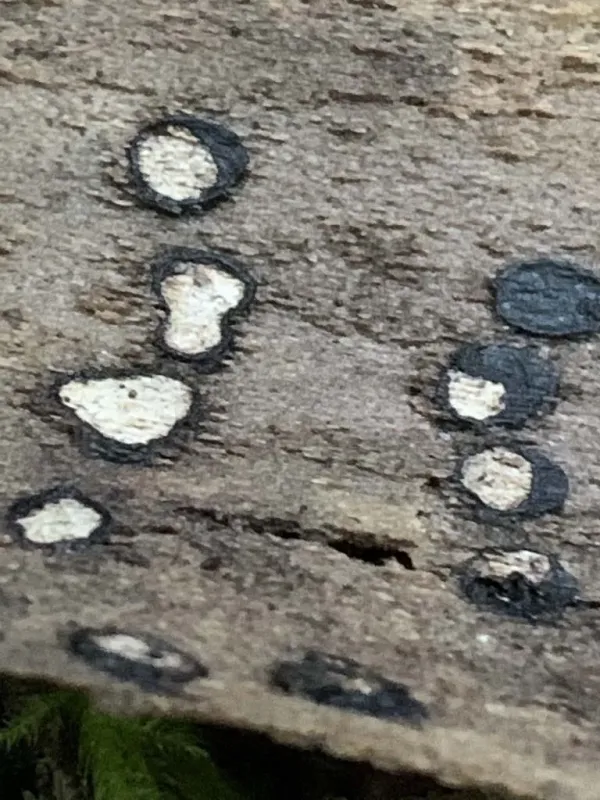
Description
Symptoms
The primary symptom of leptopeltiosis is the development of necrotic spots on the leaf surface. These spots often vary in color from light brown to greyish-black, frequently exhibiting a distinct border.
Small, dark, pin-point structures are visible on the surface of the lesions. These are the fruiting bodies of the fungus and serve as a diagnostic feature for identifying this specific disease.
In severe infections, the lesions may coalesce, covering a large portion of the leaf blade. This significantly hampers the plant's ability to perform photosynthesis, leading to stunted growth.
The leaves eventually turn yellow and drop prematurely, which is a common stress response. While rarely fatal on its own, the disease weakens the plant significantly over the growing season.
- Development of brownish necrotic lesions
- Visible dark fruiting bodies on the leaf surface
- Premature yellowing and leaf abscission
Pathogen
Leptopeltiosis is caused by fungi belonging to the genus Leptopeltis, which are classified within the Dothideales order. These fungi primarily act as parasites on the leaves of woody plants and shrubs.
The pathogen thrives in the epidermal layer of the leaf, where it establishes its mycelium. It derives nutrition from the host's cells, causing physiological stress that results in the typical leaf spots observed in infected plants.
The life cycle is heavily dependent on moisture. The fungus produces ascospores that are released into the environment, spreading the infection to neighboring plants through wind and splashing rain.
Overwintering occurs primarily on fallen leaves. The fungal structures remain dormant in the organic debris, waiting for the warmer temperatures of spring to initiate the new infection cycle.
Microscopic analysis reveals that the fungus forms flattened fruiting bodies (ascomata) that are partially embedded in the host tissue, providing a layer of protection against environmental fluctuations.
Conditions for development
High humidity and moderate temperatures are the most critical factors for the rapid spread of leptopeltiosis. Extended periods of rainfall and morning fog create a perfect environment for spore germination.
Poor air circulation, often found in dense plantings or unpruned hedges, significantly increases the risk of infection. Stagnant air allows moisture to persist on the leaves for longer durations.
The fungus thrives within a temperature range of 15°C to 22°C. While extreme heat may curb its activity, the pathogen remains present and can resume growth as soon as conditions improve.
Shaded areas within the canopy, where sunlight penetration is limited, are particularly prone to outbreaks. Plants located in low-lying areas where cool, damp air accumulates are also at higher risk.
Nutritionally stressed or weakened plants are more susceptible to the initial stages of infection. Proper site selection and site management are essential for disease prevention.
Why it matters
The most severe impact of leptopeltiosis is early leaf drop. This reduces the time the plant has to accumulate energy reserves before winter, leading to lower cold hardiness and increased winterkill risk.
Continued infection cycles over several years result in decreased plant vigor and reduced annual growth. The plant may become chronically weak, making it vulnerable to secondary pests and pathogens.
For nurseries, leptopeltiosis presents a significant commercial challenge. Affected seedlings lose their aesthetic value and marketability, leading to potential financial losses.
In ornamental horticulture, the disease severely damages the appearance of hedges and garden trees. Managing the disease is essential to maintain the intended visual quality of the landscape.
Chronic damage disrupts the metabolic processes of the plant, often leading to smaller leaves, thinner branches, and a general decline in the plant's structural integrity.
Protection
Sanitation is the most effective control measure. Raking and removing fallen leaves from the site eliminates the primary inoculum source, breaking the disease's cycle for the following year.
Pruning is vital to improve canopy airflow and light penetration. By thinning out dense branches, gardeners can create an environment that is less hospitable to fungal development.
When the infection is detected early, the application of fungicides can prevent further spread. Copper-based products or systemic fungicides are typically effective when applied as a preventative measure.
Promoting overall plant health through balanced fertilization and proper irrigation helps the plant develop a stronger immune response against fungal pathogens.
Regular monitoring of the canopy, especially during the wet spring months, allows for early intervention. Proactive management reduces the necessity for chemical controls later in the season.
Discussion
No discussions yet — be the first.