
Leptosphaeria leaf spot of alfalfa
Leptosphaeria pratensis
Description
Symptoms
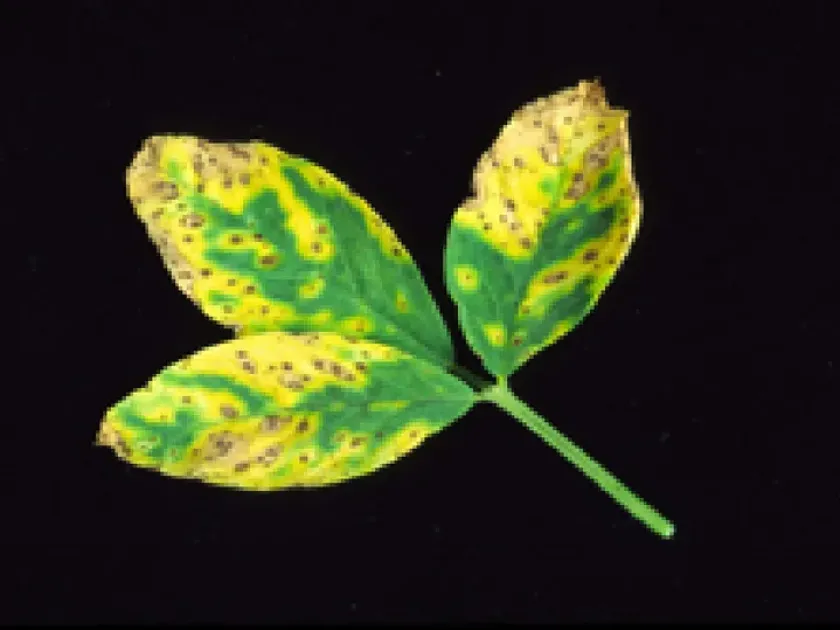
The characteristic symptoms begin as small, circular or irregular spots on the leaves, which can range from light tan to brown in color.
As the lesions expand, they often develop a darker border. In the center of mature spots, tiny black specks appear; these are the fungal fruiting bodies (pycnidia).
If the infection is severe, it can cause the leaves to turn yellow, wither, and drop prematurely, resulting in significant defoliation.
Stem lesions can also occur, which may lead to the wilting or lodging of the stems in dense stands during humid weather.
- Circular necrotic spots on leaves
- Presence of black pycnidia in lesions
- Premature yellowing and leaf fall
- Weakened stem structures
Pathogen
The disease is caused by the ascomycete fungus Leptosphaeria pratensis. It is a specialized pathogen that thrives on leguminous crops, particularly alfalfa.
The fungus survives the winter primarily in crop residues and debris. It produces sexual fruiting bodies, known as pseudothecia, which release ascospores under damp conditions.
These spores are dispersed by wind and rain splashes, leading to primary infections on the foliage during the early spring months.
Throughout the growing season, the pathogen can also produce asexual spores in pycnidia, facilitating secondary cycles of infection across the field.
The life cycle is closely linked to the presence of host tissues, making it a persistent problem in continuous alfalfa production areas.
Conditions for development
The development of Leptosphaeria pratensis is strongly influenced by cool to moderate temperatures accompanied by high humidity.
Persistent rainfall and heavy dew periods are critical factors that promote the germination of spores and subsequent infection of leaf surfaces.
Fields with dense canopy cover are particularly susceptible because they maintain high humidity levels and limit airflow, creating a perfect incubation environment.
Plants that are stressed due to nutrient deficiencies or soil compaction are more prone to infection by the fungus.
The pathogen spreads rapidly in periods of frequent precipitation, making late spring and early autumn high-risk times for the disease.
Why it matters
The primary damage is caused by the reduction of leaf area, which severely impairs the plant's photosynthetic capacity and reduces biomass production.
Forage quality is significantly degraded, as diseased leaves lose protein content and become less digestible for livestock.
The disease weakens the root system by depleting energy reserves, leading to a reduction in plant vigor and overall stand longevity.
Increased susceptibility to winter injury is a major concern, as the plants fail to store adequate carbohydrates before entering dormancy.
Severe outbreaks lead to measurable losses in both hay yield and seed production, often necessitating the premature replacement of the crop stand.
Protection
Implementing a crop rotation strategy is essential, with a minimum 4-year break between alfalfa crops to reduce soil-borne inoculum.
Timely harvesting of the alfalfa crop helps to remove the infected tissue from the field before the fungus can complete its reproductive cycle.
Proper field hygiene, including the removal or deep incorporation of crop residues, is a highly effective way to manage the disease population.
Maintaining adequate soil fertility, particularly with potassium and phosphorus, strengthens the plants' natural resistance to fungal pathogens.
When necessary, the application of systemic fungicides can be used, provided that pre-harvest intervals and local agricultural regulations are strictly followed.
Discussion
No discussions yet — be the first.