
Anthurium
Anthurium
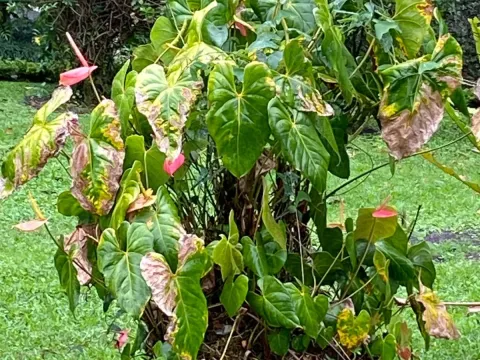
Anthurium (Anthurium) is a perennial herbaceous plant belonging to the Araceae family. Originating from the tropical and subtropical regions of Central and South America, this crop is widely cultivated globally for its distinct aesthetic value and commercial demand.
What the section contains
 Anthurium acaule
Anthurium acaule
Anthurium acaule
 Anthurium bonplandii
Anthurium bonplandii
Anthurium bonplandii
 Anthurium clarinervium
Anthurium clarinervium
Anthurium clarinervium
 Anthurium clavigerum
Anthurium clavigerum
Anthurium clavigerum
 Anthurium coriaceum
Anthurium coriaceum
Anthurium coriaceum
 Anthurium ferrierense
Anthurium ferrierense
Anthurium ferrierense
 Anthurium gracile
Anthurium gracile
Anthurium gracile
 Anthurium hookeri
Anthurium hookeri
Anthurium hookeri
 Anthurium hybrids
Anthurium hybrids
Anthurium hybrids
 Anthurium luxurians
Anthurium luxurians
Anthurium luxurians
 Anthurium nymphaeifolium
Anthurium nymphaeifolium
Anthurium nymphaeifolium
 Anthurium pedatoradiatum
Anthurium pedatoradiatum
Anthurium pedatoradiatum
 Anthurium regale
Anthurium regale
Anthurium regale
 Anthurium sagittatum
Anthurium sagittatum
Anthurium sagittatum
 Anthurium schlechtendalii
Anthurium schlechtendalii
Anthurium schlechtendalii
 Anthurium solitarium
Anthurium solitarium
Anthurium solitarium
 Anthurium splendidum
Anthurium striatum
Anthurium striatum
Anthurium splendidum
Anthurium splendidum
Anthurium striatum
Anthurium striatum
 Anthurium superbum
Anthurium superbum
Anthurium superbum
 Anthurium trilobum
Anthurium trilobum
Anthurium trilobum
 Anthurium veitchii
Anthurium veitchii
Anthurium veitchii
 Anthurium vittariifolium
Anthurium vittariifolium
Anthurium vittariifolium
 Anthurium warocqueanum
Anthurium warocqueanum
Anthurium warocqueanum
 Giant Anthurium
Anthurium giganteum
Giant Anthurium
Anthurium giganteum
Anthurium
The optimal climate for Anthurium involves a temperature range between +18°C and +25°C. Maintaining high relative humidity, ideally between 70% and 80%, is essential for the healthy development of foliage and inflorescences in a controlled environment.
The soil requirements focus on high porosity and aeration. A substrate mixture composed of peat moss, pine bark, and sphagnum moss provides the necessary drainage to prevent root rot while maintaining a slightly acidic pH level between 5.0 and 6.0.
Light management is crucial; the plant requires bright, indirect sunlight. Direct exposure to intense solar radiation can cause leaf scorch and damage the delicate waxy surface of the spathes, reducing their commercial quality.
Water quality is a key agronomic factor. Anthuriums are sensitive to high mineral content; therefore, soft, room-temperature water is recommended to avoid substrate salinization and potential nutrient toxicity.
The agricultural production of Anthurium is primarily focused on cut flowers and ornamental potted plants. High-yield production is determined by varietal selection and precise greenhouse climate control strategies.
A well-maintained Anthurium plant can produce between 3 to 8 high-quality flower stalks annually. When harvested correctly, the vase life of an Anthurium inflorescence typically lasts between 3 to 5 weeks.
Productivity is measured by the uniformity of the color and the structural integrity of the spathe and spadix. Advanced greenhouse facilities utilize automated irrigation systems to ensure consistent yields throughout the harvesting season.
The length of the flower stalk is a critical commercial metric. Depending on the market requirements for bouquet making or interior design, stalks should ideally reach between 40 to 80 centimeters.
Optimal planting density in greenhouse operations ranges from 8 to 12 plants per square meter to maximize space efficiency while ensuring adequate air circulation for individual plants.
Fungal pathogens such as Phytophthora and Pythium represent the primary threat to Anthurium health, often triggered by excessive moisture in the root zone and insufficient drainage.
Bacterial diseases, often manifesting as leaf spot, are frequently associated with poor ventilation and improper humidity management, leading to the rapid spread of infections among plants.
Common pests that impact productivity include:
- Spider mites, which thrive in low-humidity conditions
- Scale insects, which extract sap from stems and leaves
- Aphids, which congregate on young shoots and buds
- Thrips, which cause visible scarring on the spathes
Effective pest management relies on a combination of regular monitoring, systemic insecticides, and preventive fungicide applications to maintain a disease-free crop cycle.
Implementing strict hygiene protocols, such as disinfecting tools between handling plants, is vital to prevent the spread of soil-borne and air-borne pathogens in large-scale operations.
Harvesting is performed manually by carefully snapping or cutting the flower stalk near the base. It is imperative to use sterilized cutting tools to maintain phytosanitary standards and prevent cross-contamination.
The optimal harvest window is when the spadix is fully developed and the spathe has reached its final color intensity and desired texture. Harvesting too early results in poor vase life and reduced durability.
Post-harvest care involves placing the stems in clean water treated with preservatives to inhibit bacterial growth, ensuring the product retains its freshness during the supply chain process.
Transporting cut Anthurium requires vertical positioning in specialized packaging to protect the fragile spadix and prevent physical injury to the plant tissues during transit.
Once harvesting is complete, removing all plant debris from the greenhouse is necessary to maintain a hygienic environment, thereby reducing the risk of disease carryover for the next crop cycle.