
Anthurium bonplandii
Anthurium bonplandii
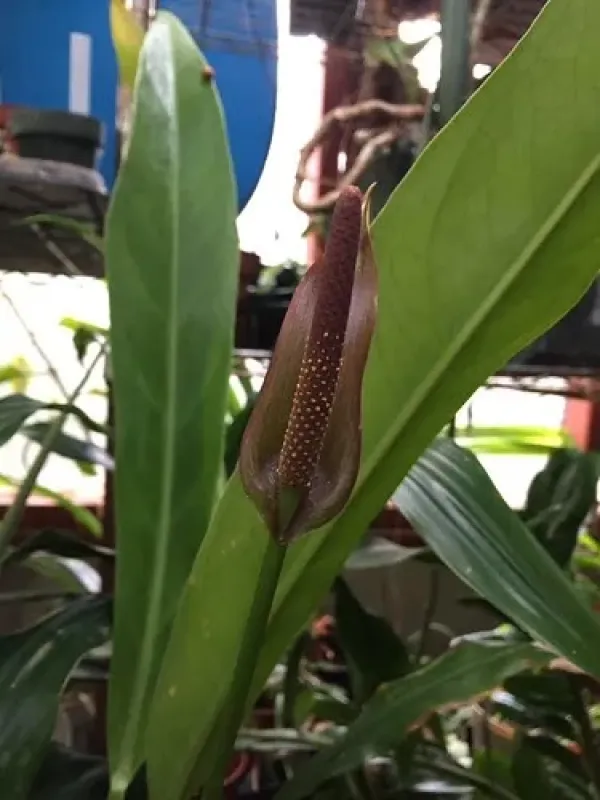
Description
Growing requirements
Anthurium bonplandii is a perennial herb belonging to the Araceae family, native to the tropical regions of South America. It is highly regarded in the decorative plant industry for its distinct foliage and architectural presence, which makes it a unique addition to tropical plant collections.
Botanically, this species is characterized by its large, elongated leaves and robust growth habit. In its native habitat, it grows in understory conditions with high humidity, which dictates the environmental requirements for successful cultivation in greenhouses or interior spaces.
The plant thrives in stable temperatures, ideally between 20°C and 25°C. Exposure to sudden cold drafts should be avoided at all costs, as the plant is susceptible to cold stress that can lead to leaf browning and slowed development.
Regarding soil, a well-draining, airy substrate is crucial. A mix consisting of orchid bark, peat, perlite, and charcoal is often recommended to simulate the epiphytic or semi-epiphytic conditions the plant experiences in the wild.
Lighting should be bright but indirect; direct sunlight must be avoided as it causes irreversible damage to the leaves. Consistent monitoring of environmental parameters is the key to maintaining plant health and promoting steady growth throughout the season.
Main diseases and pests
The primary threats to Anthurium bonplandii are fungal pathogens, specifically root rot, which typically stems from overwatering and poor drainage. Ensuring the substrate does not remain waterlogged is the most effective preventative measure.
Pests such as spider mites, scale insects, and mealybugs represent a significant risk to the plant's health. These pests often congregate in leaf axils or on the underside of the foliage, making regular inspection essential for early control.
Bacterial blight can manifest as spots on the leaves, especially if humidity is too high without adequate airflow. Improving ventilation in the cultivation area significantly reduces the likelihood of bacterial proliferation.
Proper hygiene during maintenance, such as using sterilized tools for trimming, prevents the transmission of pathogens between plants. Infected foliage should be carefully removed and destroyed to curb the spread of disease.
Integrated pest management strategies are recommended, utilizing biological controls or targeted applications of systemic treatments when infestations occur. Consistent attention to hygiene and environmental balance remains the core of plant protection.