
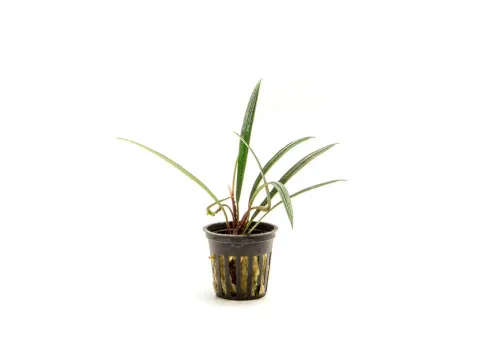
Aridarum
Aridarum
Aridarum is a genus of flowering plants belonging to the family Araceae. These plants are characterized as rheophytes, meaning they have evolved to inhabit environments with fast-flowing water, such as river rapids in tropical forests.
What the section contains

Aridarum
The origin of the genus is primarily linked to the island of Borneo. In their native habitat, these plants secure themselves onto rocky substrates, allowing them to thrive in high-flow conditions where nutrients are delivered by running water.
Botanically, Aridarum plants exhibit a creeping rhizome and dense, leathery foliage. This physical structure is an evolutionary adaptation designed to minimize water drag and prevent structural damage during significant river floods.
Climate requirements for this culture are strict, demanding high humidity levels and stable temperatures. It is essential to replicate their natural environment by ensuring consistent airflow and protecting the plant from direct, intense sunlight.
Regarding cultivation techniques, soil choice is paramount. Growers must use inert, well-draining substrates like lava rock or specialized gravel. These materials prevent root compaction and allow for the oxygenation necessary for healthy rhizome development.
The primary threats to Aridarum species are fungal pathogens and root rot. These conditions typically arise when water circulation is poor, causing stagnant conditions that quickly compromise the health of the rhizome system.
Insects like spider mites and mealybugs are the most common pests encountered in controlled environments. Infestations should be managed using gentle systemic treatments, as the plants can be sensitive to harsh chemical pesticides.