
Anthurium coriaceum
Anthurium coriaceum
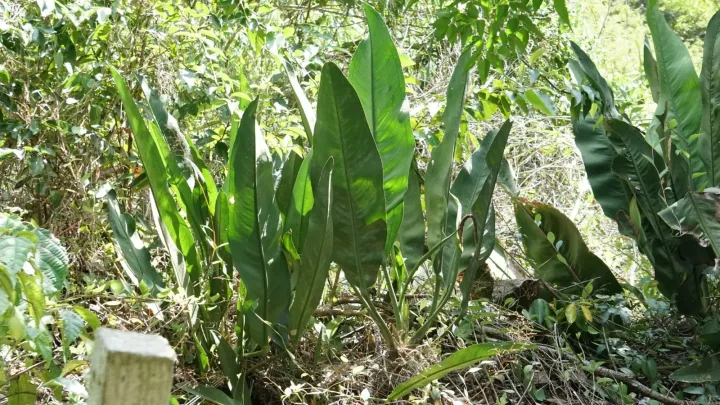
Description
Growing requirements
Anthurium coriaceum is a tropical species belonging to the Araceae family. Native to South America, this plant is well-adapted to humid forest understories, characterized by rich, well-draining soils and stable environmental conditions throughout the year.
The optimal temperature for this cultivar ranges from 20°C to 25°C. Exposure to temperatures below 15°C should be avoided, as it can cause physiological stress, stunt growth, and increase susceptibility to secondary pathogen infections.
Soil requirements focus on high porosity and organic matter content. A balanced mix of peat, pine bark, and perlite provides the necessary structure to prevent compaction and allow oxygen to reach the delicate root system.
Lighting should be bright but indirect. High-intensity light can cause leaf scorching, while insufficient light leads to etiolation. Greenhouse management often includes the use of shading systems to mimic natural canopy conditions.
Maintaining high relative humidity (above 60%) is essential for the health of Anthurium coriaceum. Regular irrigation must be balanced with adequate drainage, as the roots are highly prone to rot in waterlogged conditions.
Main diseases and pests
Common pests include spider mites, thrips, and scale insects. These pests feed on the sap of the foliage, potentially transmitting viruses and causing aesthetic damage. Integrated pest management (IPM) is recommended for commercial production.
Fungal diseases, including Rhizoctonia root rot and Colletotrichum anthracnose, are significant risks. These pathogens thrive in high humidity and poor air circulation, necessitating strict control over watering cycles and hygiene.
Bacterial blight caused by Xanthomonas can result in necrotic leaf spots and vascular wilting. Once infected, plants are difficult to treat, making preventative measures and the purchase of certified disease-free stock paramount.
Physiological disorders such as leaf edge chlorosis often result from an imbalance in mineral nutrition or high salt accumulation in the substrate. Regular monitoring of pH and electrical conductivity (EC) levels is necessary to ensure proper nutrient uptake.
Sanitation practices, including the regular disinfection of benches and irrigation equipment, are critical for maintaining healthy crop yields. Isolation of new stock is a standard procedure to prevent the accidental introduction of pathogens into the greenhouse.