
Anthurium sagittatum
Anthurium sagittatum
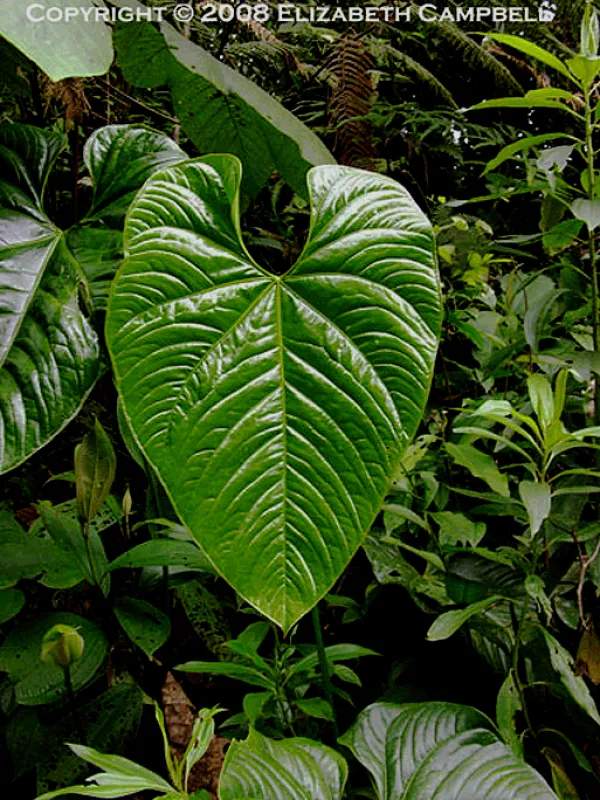
Description
Growing requirements
Anthurium sagittatum is an ornamental perennial herb belonging to the Araceae family. This species originates from the tropical rainforests of Central and South America, where it thrives in shaded and humid environments.
The plant is defined by its characteristic sagittate (arrow-shaped) leaves, which can reach significant dimensions under optimal conditions. It possesses a shallow root system that requires a well-aerated and nutrient-rich potting medium to flourish.
Climate requirements for this culture are strict, demanding temperatures between 22 and 28 degrees Celsius. Any significant drop in temperature or exposure to cold drafts can cause physiological stress and damage to the foliage structure.
Soil management must focus on porosity and moisture retention without allowing for saturation. A mixture of pine bark, perlite, and peat is commonly used to replicate the natural habitat of this tropical epiphyte or hemiepiphyte.
Regarding light, the plant requires bright, filtered sunlight to maintain its vibrant green color and structural integrity. Excessive shade may lead to stunted growth, while direct sunlight causes severe photo-oxidation of the leaf cells.
Main diseases and pests
Primary pests affecting this crop include spider mites, aphids, and scale insects. These pests often proliferate in environments with low humidity levels, necessitating a strict control regime of regular misting and physical inspection.
Fungal pathogens such as Phytophthora and Rhizoctonia pose a serious threat, particularly when soil moisture is managed poorly. Management involves applying appropriate fungicides and strictly adhering to water regulation protocols in the greenhouse.