
Anthurium clavigerum
Anthurium clavigerum
Description
Growing requirements
Anthurium clavigerum is a fascinating member of the Araceae family, native to the tropical rainforests of Central and South America. As an epiphyte, this plant typically colonizes tree trunks in its natural habitat, relying on high humidity and filtered sunlight.
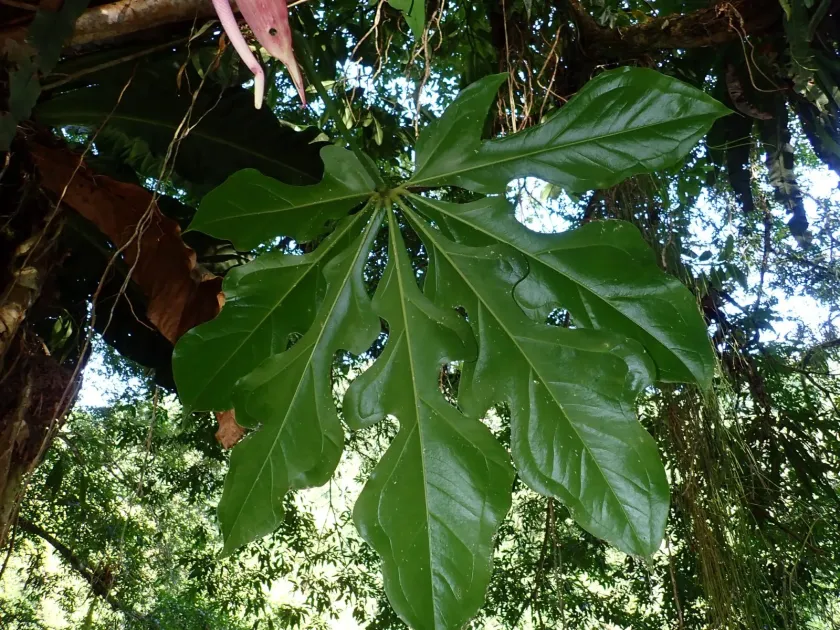
The species is botanically distinct due to its large, deeply lobed leaves that resemble a hand with outstretched fingers. These palmate leaves distinguish it from the more common cordate-leaved Anthurium species found in interior design and horticulture.
Cultivation requires a stable environment with temperatures between 22 and 28 degrees Celsius. Providing a consistent tropical climate is crucial, as the plant does not tolerate significant thermal fluctuations or cold drafts, which can induce severe physiological stress.
The substrate must prioritize drainage and aeration, mimicking the porous nature of a rainforest floor. A mixture of orchid bark, perlite, coco chips, and sphagnum moss is highly recommended to prevent compaction and ensure that the roots receive adequate oxygen.
Maintaining high ambient humidity is vital, ideally ranging from 70% to 80%. In greenhouse or home environments, regular misting or the use of ultrasonic humidifiers helps simulate the plant's native moisture levels and supports the development of healthy aerial roots.
Main diseases and pests
Common pests that target this crop include spider mites, mealybugs, and scale insects. These pests thrive in dry conditions and can rapidly multiply, causing damage to the leaf epidermis and disrupting the plant's photosynthetic capacity.
Fungal pathogens such as Rhizoctonia and Phytophthora often manifest when the substrate remains saturated for prolonged periods. These pathogens attack the root system, causing decay that disrupts nutrient and water uptake, leading to overall plant decline.
Leaf spot diseases caused by Colletotrichum species are frequently observed under poor ventilation. These infections appear as necrotic lesions that can spread rapidly across the foliage, significantly reducing the plant's ornamental value and overall health.
Effective management includes integrated pest management strategies, such as mechanical removal of pests and the application of horticultural oils or systemic insecticides when necessary. Monitoring for early signs of disease is essential for rapid containment.
Proper sanitation is the cornerstone of plant health. Always sanitize tools before pruning or propagation to prevent the spread of bacterial or fungal spores. Ensuring good air circulation around the canopy helps minimize the risk of moisture-loving pathogens.