
Anthurium luxurians
Anthurium luxurians
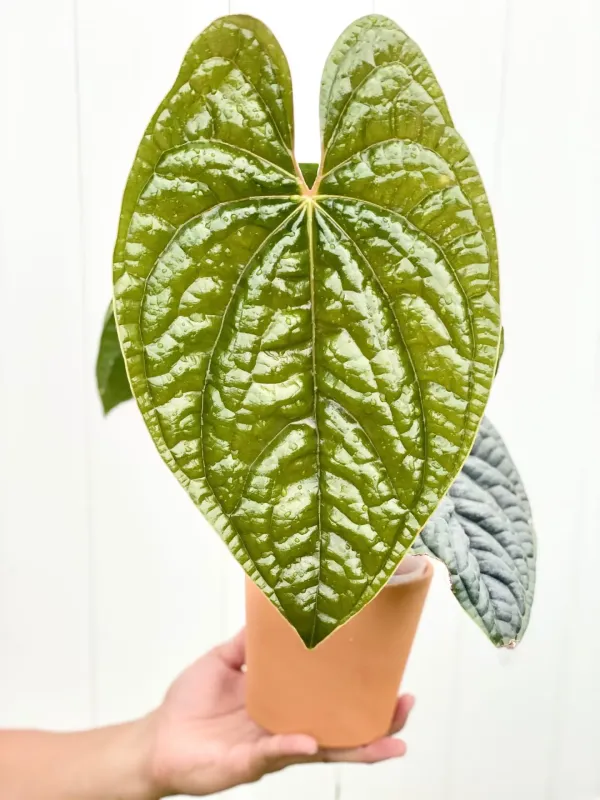
Description
Growing requirements
Anthurium luxurians is a prized botanical specimen belonging to the Araceae family, native to the tropical rainforests of Colombia. It is highly sought after by collectors for its deeply bullate, rugose leaves that display a striking texture and deep green coloration as they mature.
The culture thrives in temperatures ranging from 22 to 28 degrees Celsius, requiring a stable environment free from sudden fluctuations. It is considered a sensitive crop that demands precise control over ambient conditions to maintain the structural integrity of its ornamental foliage.
Lighting should be bright but strictly indirect, as direct sunlight can easily scorch the sensitive surface of the leaves. In agricultural settings or specialized greenhouse cultivation, the use of shading nets is highly recommended to protect the plant from high-intensity light exposure.
The soil must be highly porous and well-draining, mimicking the epiphytic conditions of its natural habitat. A typical professional mix includes a combination of chunky orchid bark, perlite, sphagnum moss, and high-quality peat, which ensures excellent aeration for the root system.
Watering requires a balanced approach, focusing on keeping the substrate consistently moist but never waterlogged. High ambient humidity, ideally above 70%, is essential for this species to promote rapid leaf development and maintain overall health throughout the year.
Main diseases and pests
Fungal pathogens represent the most significant threat to Anthurium luxurians, particularly those attacking the roots under stagnant moisture conditions. Preventive maintenance involves using clean equipment and ensuring the substrate allows for sufficient airflow around the base of the plant.
Pests such as spider mites, mealybugs, and scale insects are common in controlled environments if the humidity is insufficient. Effective management strategies include maintaining proper air circulation and implementing a consistent schedule of botanical oil or insecticide treatments if pests appear.