
Anthurium hookeri
Anthurium hookeri
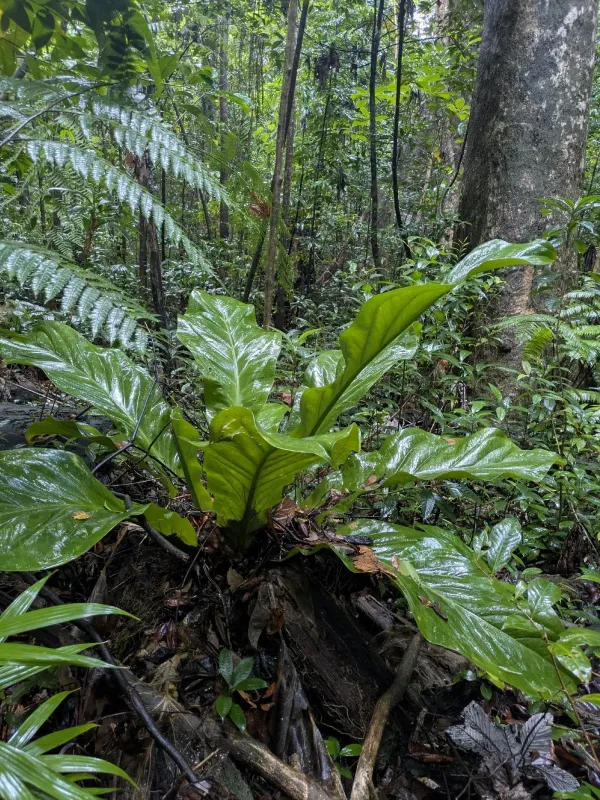
Description
Growing requirements
Anthurium hookeri is a perennial species belonging to the Araceae family. Native to the Caribbean islands, this plant is primarily valued for its impressive, broad, dark green leaves that form a distinctive bird's-nest rosette pattern.
The culture thrives in tropical environments, requiring temperatures between 20°C and 28°C. It is sensitive to cold drafts, which can cause significant physiological stress and leaf drop if the temperature falls below 15°C.
Regarding light conditions, Anthurium hookeri prefers filtered or indirect light. Direct sunlight exposure during peak hours can damage the leaf epidermis, leading to necrotic spots and reducing the aesthetic value of the crop.
The ideal growing medium must be highly porous and well-draining. A mix of peat moss, pine bark, and perlite is recommended to balance moisture retention with necessary aeration, which is vital for maintaining a healthy root system.
Consistent high humidity, ideally between 70% and 80%, is essential for this species. In greenhouse cultivation, automated misting systems are often employed to replicate the native tropical moisture levels of its Caribbean habitat.
Main diseases and pests
The most common agricultural threat to Anthurium hookeri is root rot caused by stagnant water in the substrate. Overwatering creates anaerobic conditions that favor fungal development, destroying the roots.
Spider mites are a persistent threat in indoor farming operations. These pests flourish in dry, warm conditions, feeding on cell sap and leaving behind fine webbing, which weakens the plant and stunts leaf development.
Mealybugs are also frequently encountered, often clustering in the dense parts of the rosette. Their feeding habits cause chlorosis and can eventually lead to secondary infections by bacteria or fungi at the feeding sites.
Scale insects present another challenge for producers. These pests form protective shells on the foliage, making physical removal or contact insecticide application difficult without proper monitoring protocols.
Thrips may infest the inflorescences and tender young leaves. Regular inspection of the plant's heart and the underside of leaves is necessary to catch infestations early and apply corrective biological or chemical controls.