
Anthurium superbum
Anthurium superbum
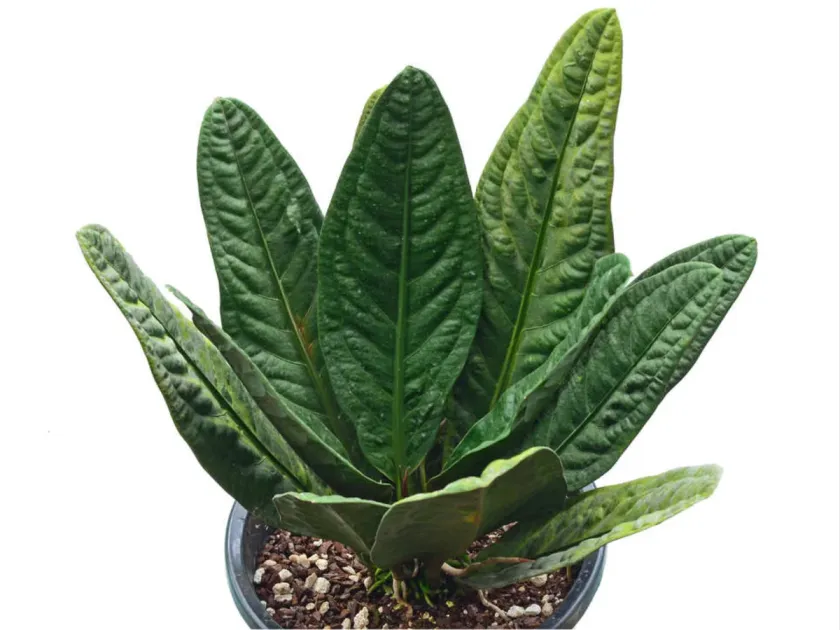
Description
Growing requirements
Anthurium superbum is a striking ornamental species belonging to the Araceae family, native to the tropical rainforests of Ecuador. It is widely recognized for its robust, deeply veined, and leathery leaves that form a dense rosette, making it a highly desirable specimen for plant collections.
To cultivate this plant successfully, one must replicate its natural tropical environment with temperatures consistently held between 20 °C and 26 °C. It is intolerant to cold drafts and sudden temperature fluctuations, which can severely stress the plant and inhibit its development.
The choice of soil is paramount; the root system requires a highly aerated and well-draining medium. A potting mix consisting of orchid bark, perlite, chopped sphagnum moss, and charcoal is recommended to ensure that the roots receive ample oxygen and prevent waterlogging.
High humidity levels are essential for this species, ideally maintained between 70% and 80%. In standard home environments, the use of a humidifier or a pebble tray system is often necessary to prevent the edges of the foliage from drying out and turning brown.
Light requirements are focused on bright, indirect sun. Direct exposure to intense midday sunlight will inevitably scorch the foliage, leading to unsightly patches. Conversely, placing the plant in a shaded area will result in slower growth and less vigorous leaf texture.
Main diseases and pests
The most frequent pest issues involve spider mites and mealybugs, which thrive in low-humidity environments. These pests can be effectively managed by maintaining proper humidity levels and applying organic insecticidal soaps or neem oil solutions when necessary.
Root rot is the primary physiological threat, usually caused by overwatering or using a potting mix that lacks drainage. If the medium stays wet for too long, the root system will suffocate, leading to yellowing leaves and potential collapse of the plant.
Scale insects can also infest the stems and undersides of leaves. Due to the plant's unique texture, manual removal using a cotton swab dipped in alcohol is often the most effective method for localized infestations before widespread chemical treatment is required.
Bacterial leaf spot is a concern during periods of high humidity combined with poor air circulation. This disease manifests as irregular, water-soaked spots on the leaves, which can spread rapidly if the affected tissue is not promptly removed and the environment corrected.
Prevention is the best strategy for maintaining a healthy Anthurium superbum. This includes ensuring proper spacing between plants to encourage airflow, using sterile equipment during any maintenance or propagation, and regularly cleaning the foliage to remove dust and debris.