
Anthurium clarinervium
Anthurium clarinervium
Description
Growing requirements
Anthurium clarinervium is an ornamental plant belonging to the Araceae family. It is a striking epiphytic species native to the tropical rainforests of Southern Mexico, where it typically thrives in rocky crevices or on tree branches.
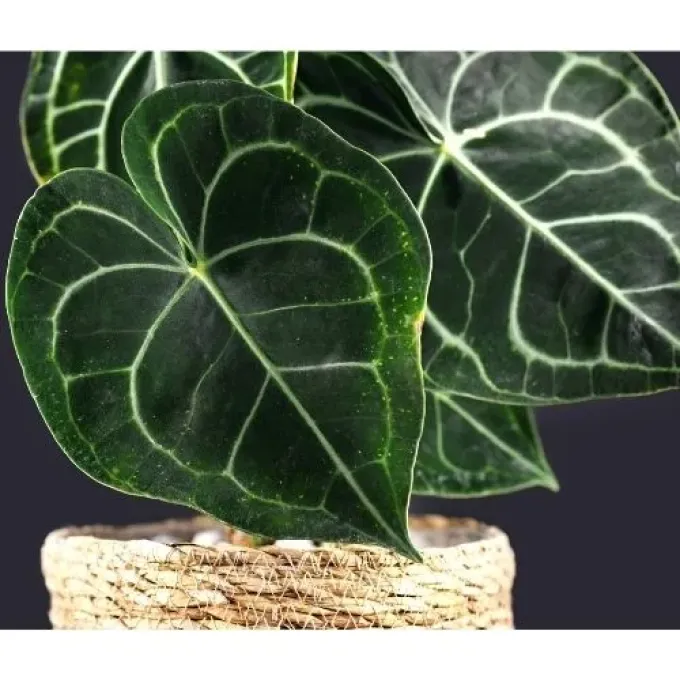
Its primary botanical features include deep green, heart-shaped leaves with a distinct velvety texture and pale, prominent veins that form a complex network. The plant typically grows in a rosette pattern, maintaining a compact size suitable for indoor cultivation.
Regarding climate requirements, it thrives in bright, indirect sunlight. Direct sunlight should be avoided to prevent scorching the delicate foliage. It prefers stable temperatures between 18°C and 25°C, away from cold drafts or heating vents.
The potting medium must be highly porous and well-draining, simulating natural epiphytic conditions. A mixture containing bark, charcoal, perlite, and coconut fiber is ideal to prevent root compaction and ensure proper oxygen supply to the roots.
Watering should be conducted when the top layer of the substrate begins to dry out. High ambient humidity, ranging from 60% to 80%, is essential for sustaining the health of the leaves and preventing the tips from browning.
Main diseases and pests
Common pests affecting this species include spider mites, which are particularly active in dry, low-humidity environments. Scale insects and mealybugs can also infest the plant, hiding in the junctions between leaves and stems.
Fungal diseases, specifically root rot, are the most common threats resulting from poor drainage or overwatering. These pathogens cause root tissue to decay, eventually leading to the plant's collapse if not detected early.
Anthracnose and other leaf spot diseases may appear if the air circulation around the plant is inadequate. These fungal issues are characterized by dark, sunken lesions on the leaf surface that spread rapidly in humid, stagnant conditions.
Pest management should focus on early detection through frequent leaf inspection. If an infestation occurs, horticultural oils or systemic insecticides may be applied according to the manufacturer’s instructions.
Sanitation is a vital aspect of disease prevention. Removing dead foliage, ensuring clean pots, and using sterilized substrates help minimize the risk of pathogen transmission and maintain the plant's long-term vitality.