
Anthurium hybrids
Anthurium hybrids
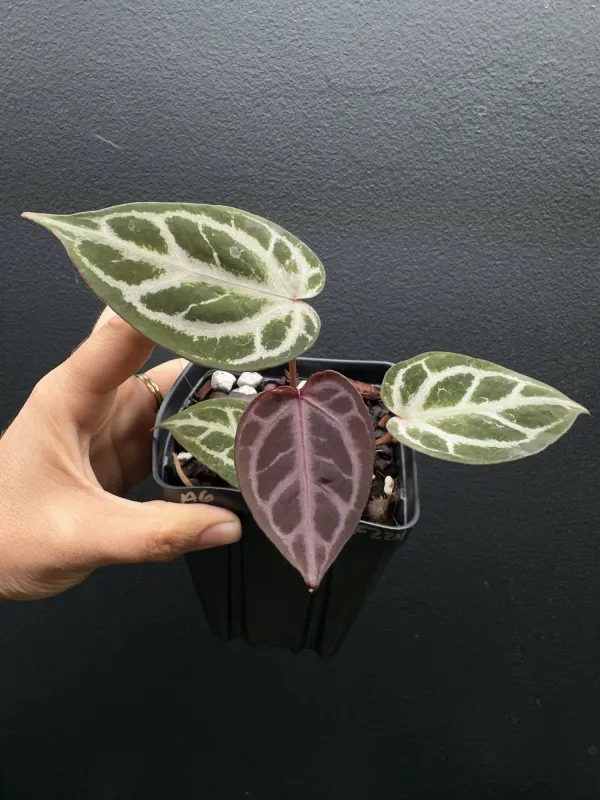
Description
Growing requirements
Anthurium hybrids belong to the Araceae family. These perennial plants are developed through complex cross-breeding of species native to the tropical rainforests of Central and South America, where they typically thrive in humid, shaded environments.
Optimal growth requires consistent temperatures ranging from +20°C to +25°C. These hybrids are highly sensitive to thermal fluctuations and cold drafts, which can cause leaf yellowing and inhibit the development of the characteristic spathe-and-spadix inflorescence.
For cultivation, a well-draining, loose substrate with a pH of 5.5 to 6.0 is essential. A mixture composed of peat, pine bark, and perlite is commonly used to ensure adequate root oxygenation while retaining enough moisture to support the plant's metabolic needs.
Anthuriums require bright, indirect light to maintain vegetative health and vibrant coloration. Direct sunlight must be avoided to prevent foliar scorching, while inadequate light levels will result in stunted growth and a significant reduction in flower production.
Cultivation practices involve regular irrigation with low-mineral water. High humidity is a fundamental requirement; maintaining levels between 70% and 80% prevents the edges of the leaves from drying and promotes the growth of healthy adventitious roots.
Yield
The commercial application of Anthurium hybrids focuses on two sectors: the cut flower market and the potted plant trade. In a controlled greenhouse environment, a healthy, mature plant can produce between 8 and 15 inflorescences per year, depending on the specific hybrid cultivar.
Commercial longevity for high-yield plants is generally maintained for 3–5 years. After this period, professional growers often replace the stock to ensure consistent quality and maximum output of standard-grade blooms.
Main diseases and pests
Pests such as spider mites, scale insects, and aphids are the most common threats to Anthurium health. Early detection and the application of integrated pest management (IPM) strategies, including biological controls or targeted sprays, are essential to preserve the aesthetic quality of the leaves.
Root rots caused by Phytophthora and Pythium are major concerns often linked to improper drainage or over-watering. Bacterial blight and fungal leaf spots, such as Anthracnose, can also impact production, necessitating rigorous sanitation of tools and environments.
Harvesting
Cut flowers are harvested when the spadix is mature and covered with pollen across at least two-thirds of its surface. Proper post-harvest handling ensures that the blooms remain attractive in vases for several weeks, which is a key value proposition for the floral industry.