
Anthurium nymphaeifolium
Anthurium nymphaeifolium
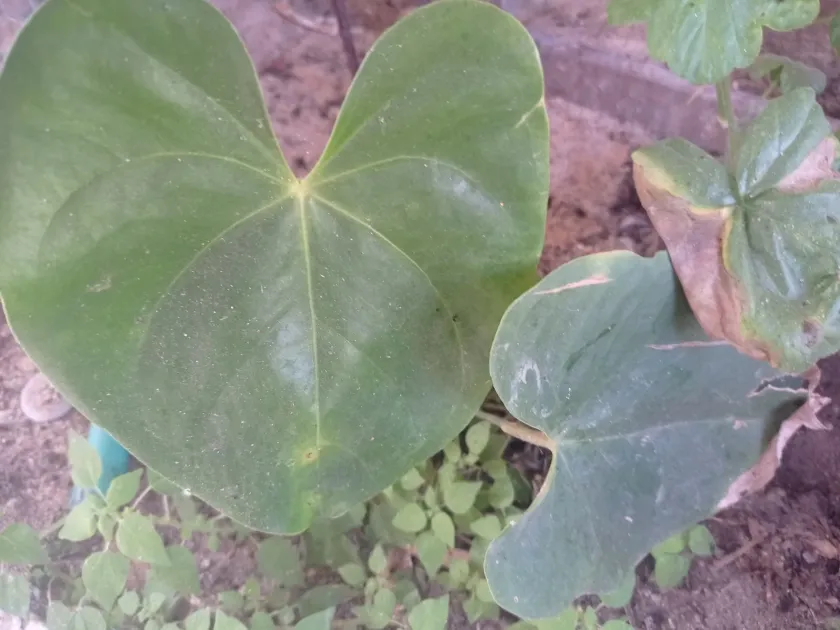
Description
Growing requirements
Anthurium nymphaeifolium is an exquisite botanical species belonging to the Araceae family. Originating from the dense, humid rainforests of South America, this species has evolved as an epiphyte, often growing attached to the trunks or branches of tropical trees within the rainforest canopy.
The botanical characteristics of this species are defined by its striking foliage. It features large, heart-shaped, leathery leaves that resemble the pads of a water lily, providing the plant with a substantial surface area to capture limited sunlight in its native habitat.
Regarding environmental requirements, this plant demands high ambient humidity, ideally above 70 percent. It thrives in locations with bright, filtered sunlight, as direct exposure can easily scorch the delicate leaf tissues, leading to permanent damage to the foliage structure.
The cultivation medium must be highly porous and well-draining. A typical potting mix for this species consists of coarse pine bark, perlite, and high-quality sphagnum moss. This combination ensures that the roots receive sufficient aeration while retaining enough moisture to support growth.
Temperature management is critical for the health of Anthurium nymphaeifolium. The plant prefers consistent warmth, with an ideal daytime range between 22 and 28 degrees Celsius. Protecting the plant from cold drafts and temperatures dipping below 16 degrees is vital for its longevity.
Main diseases and pests
Pathogenic threats for this species are usually linked to improper moisture management. Root rot is the most common issue, typically caused by waterlogged substrates that prevent oxygen from reaching the plant’s complex root system, leading to tissue decay.
Pest problems are frequently represented by sap-sucking insects such as mealybugs and scale insects. These pests often congregate near the leaf nodes or along the midrib, weakening the plant by draining its nutrient resources.
Spider mites are another common challenge, especially in indoor environments where air humidity may fluctuate. Regular misting and leaf cleaning are essential preventive measures to maintain plant vigor and deter the colonization of these mites.
In cases of severe infection, targeted application of organic horticultural oils or systematic insecticides is recommended. Ensuring proper air circulation around the plant is a key strategy to mitigate the risk of fungal infections and pest infestations.
Consistent monitoring of the foliage for yellowing, spotting, or sticky residues allows for early intervention, ensuring the continued health and aesthetic appeal of the plant within its growing environment.