
Anthurium vittariifolium
Anthurium vittariifolium
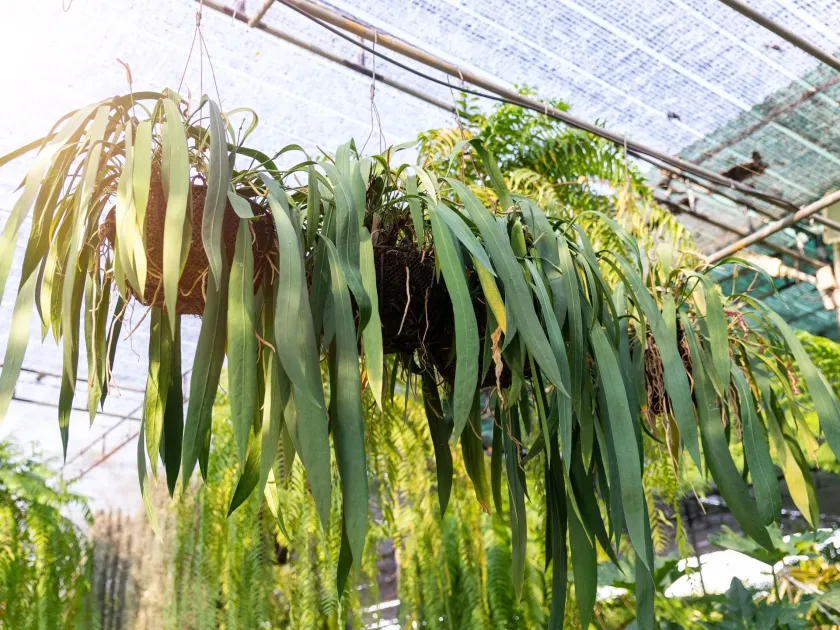
Description
Growing requirements
Anthurium vittariifolium is a distinctive plant belonging to the Araceae family. Originating from the tropical rainforests of South America, specifically countries like Colombia and Ecuador, it thrives as an epiphyte in humid canopy environments.
Its botanical signature is the strap-like, pendant leaves that can reach lengths of over a meter. These long, narrow blades are highly sought after by botanical enthusiasts for their unique architectural aesthetic and graceful growth habit.
In terms of cultivation, it requires high humidity and indirect, bright light. Unlike terrestrial species, this plant prefers an airy substrate composed of orchid bark, perlite, and long-fiber sphagnum moss to mimic its natural epiphytic habitat.
Temperature management is critical; the plant prefers constant warmth ranging from 20°C to 25°C. Exposure to sudden temperature drops or cold drafts will quickly cause leaf damage and weaken the plant's overall health.
The primary horticultural use of this species is as a premium ornamental specimen for indoor collections and botanical conservatories. Its slow growth rate and environmental sensitivity limit its utility to the specialist horticultural sector.
Main diseases and pests
Common pests include spider mites, which thrive in low-humidity conditions, as well as mealybugs that can hide within the leaf axils and stems.
Root rot is the most significant threat to plant longevity, usually caused by overwatering or using a heavy, water-retentive potting mix that lacks proper drainage.
Regular maintenance practices, such as gently wiping the leaves with a damp cloth, help prevent dust buildup and reduce the risk of attracting opportunistic insects.
When chemical treatment is necessary, systemic insecticides or fungicides formulated for tropical plants should be applied cautiously according to the manufacturer’s instructions.
- Maintain high ambient humidity through pebble trays or ultrasonic humidifiers.
- Ensure the potting medium is well-aerated to prevent oxygen deprivation to the roots.