
Anthurium acaule
Anthurium acaule
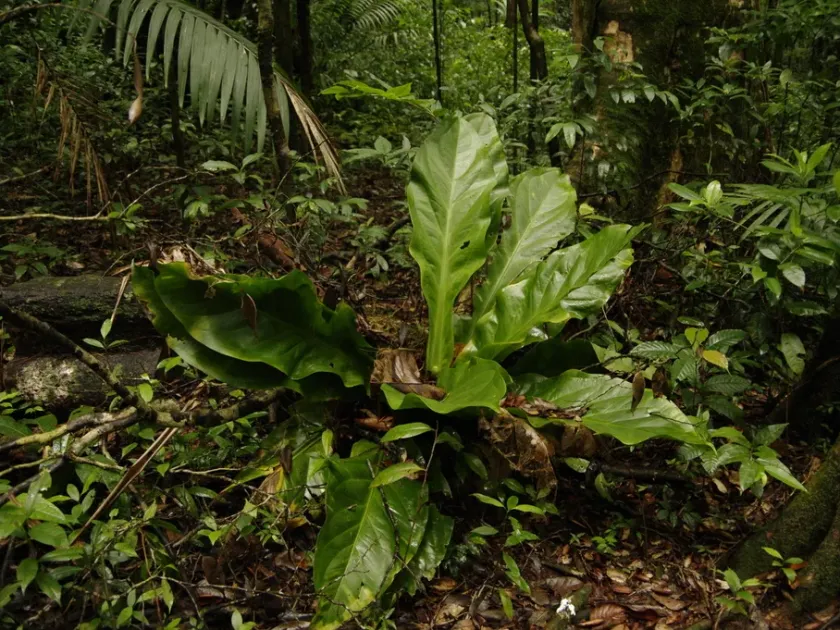
Description
Growing requirements
Anthurium acaule is a fascinating member of the Araceae family, native to the tropical regions of the Caribbean and South America. As an epiphyte, this plant has evolved to thrive in high-humidity environments, typically anchoring itself to tree trunks or rocks within the dense tropical canopy.
The plant is characterized by its stemless habit, featuring a rosette of robust, leathery, and lance-shaped leaves. Its deep green foliage is adapted to handle filtered light, allowing it to maintain photosynthesis efficiently under the shaded conditions of its natural forest habitat.
To cultivate Anthurium acaule successfully, one must maintain an environment with high relative humidity, ideally between 70% and 80%. Temperature control is equally vital, with an optimal growth range of 20°C to 25°C, ensuring the plant remains protected from cold drafts and extreme fluctuations.
The potting medium must prioritize aeration and rapid drainage. A mixture containing orchid bark, high-quality peat, charcoal, and sphagnum moss is highly recommended. This substrate composition prevents the roots from sitting in stagnant water, which is a common cause of plant failure in artificial environments.
In ornamental horticulture, this species is highly regarded for its sculptural foliage. It serves as an excellent specimen for indoor collections and botanical displays, where its unique, clean lines and hardy nature make it a preferred choice for professional interior landscapers and plant enthusiasts.
Main diseases and pests
The most common biological threats to Anthurium acaule include fungal infections such as root rot and leaf spot, usually triggered by waterlogged conditions and inadequate air circulation. Maintaining a strict watering schedule and proper drainage are the most effective preventative measures against these pathogens.
Pests such as spider mites and scale insects represent significant risks to the health of the plant. These pests thrive in dry air conditions, often colonizing the undersides of the leaves. Regular inspection and consistent misting help to mitigate pest outbreaks and maintain a healthy plant canopy.
Bacterial blight can also affect the foliage, manifesting as necrotic patches that spread rapidly in poorly ventilated spaces. Infected leaves should be carefully removed using sterile instruments to prevent the spread of the pathogen, followed by an application of appropriate bactericides if necessary.
Nutrient deficiencies, particularly regarding trace elements like magnesium or iron, can cause chlorosis. Utilizing balanced, water-soluble fertilizers designed for aroids during the active growing season is essential to support the plant's metabolic functions and maintain its deep green aesthetic.
Finally, environmental stress caused by poor water quality can lead to salt accumulation in the root zone. It is strongly advised to use filtered or distilled water, as tap water with high mineral content can inhibit nutrient uptake and damage the sensitive root system of this tropical species.