
Anthurium solitarium
Anthurium solitarium
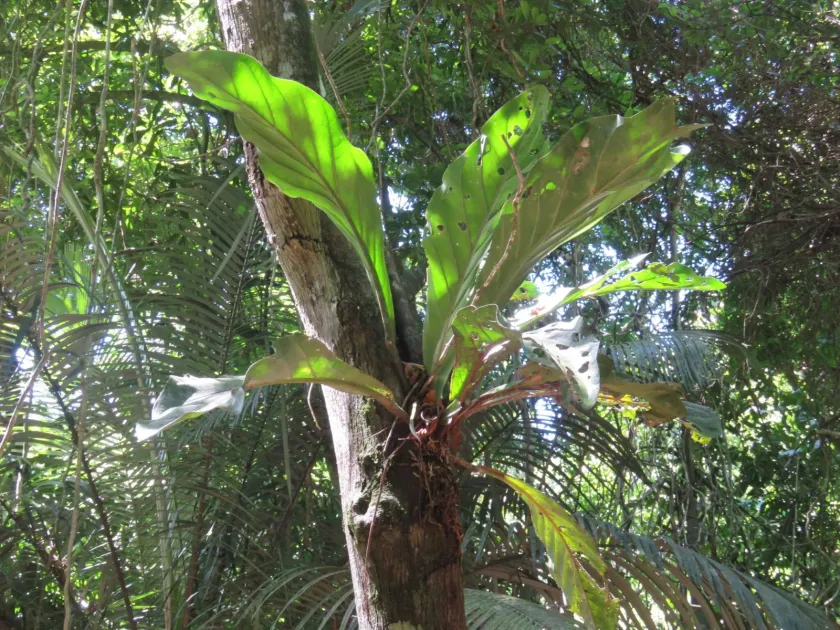
Description
Growing requirements
Anthurium solitarium is a member of the Araceae family. This species is native to the tropical rainforests of South America, where it typically grows as an epiphyte or a hemiepiphyte, adapting to the humid and stable conditions of the understory.
The crop requires a highly specific microclimate to thrive. Optimal temperatures range between 22 and 28 degrees Celsius. Exposure to cold drafts or temperatures dropping below 15 degrees Celsius can cause significant physiological stress and leaf drop.
A well-aerated, coarse-textured substrate is essential for this species. A blend consisting of pine bark, perlite, horticultural charcoal, and high-quality peat moss provides the drainage necessary to prevent root suffocation, which is critical for healthy growth.
Humidity levels must be consistently high, ideally maintained at 75% or above. Given the species' natural habitat, it responds well to high ambient moisture and regular, fine-mist irrigation that mimics the humid conditions of the Amazonian basin.
Botanically, it is defined by its robust, leathery foliage and distinctive growth pattern. The root system is primarily adapted to pull nutrients and moisture from organic debris and the air, necessitating a delicate approach to irrigation and fertilization.
Main diseases and pests
Root rot, primarily caused by Phytophthora or Pythium species, remains the most significant threat to Anthurium solitarium. This typically occurs in poorly drained soils where the roots are subjected to prolonged periods of oxygen deprivation.
Common arthropod pests include spider mites, mealybugs, and scale insects. These pests often proliferate when ambient humidity is insufficient or when the plant is kept in stagnant, poorly ventilated conditions, weakening the plant's structural integrity.
Fungal leaf spot diseases may appear if water remains on the surface of the foliage for too long without adequate airflow. Keeping the leaves dry and ensuring proper ventilation are the most effective cultural methods to prevent these issues.
Sensitivity to mineral salts in water is a notable characteristic of this species. Using tap water high in calcium or chlorine can result in tip burn and chlorosis. Providing purified or rainwater is highly recommended for long-term health.
An integrated pest management approach, including regular physical inspections and the use of targeted botanical or systemic insecticides, is necessary for maintaining a high-quality crop. Prevention is always more effective than remedial treatment.