
Anthurium ferrierense
Anthurium ferrierense
Description
Growing requirements
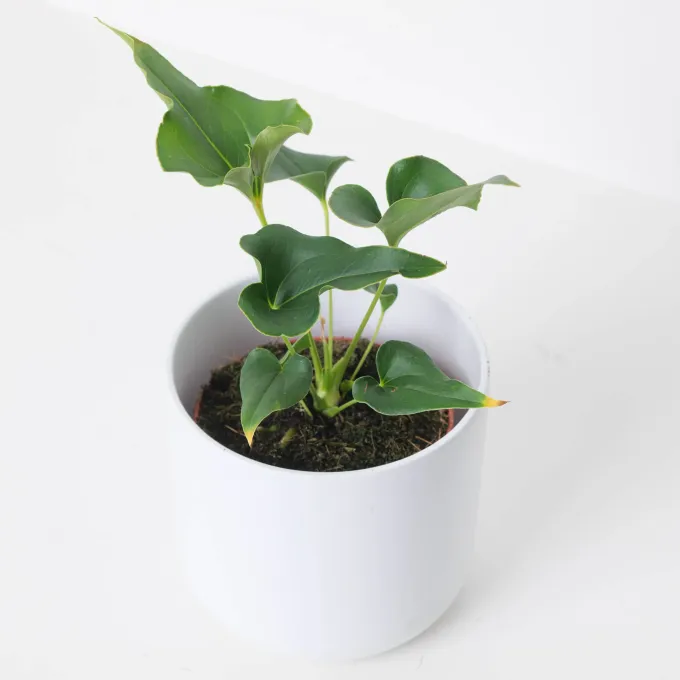
Anthurium ferrierense is a striking ornamental hybrid belonging to the Araceae family. Known for its beautiful spathes and glossy, heart-shaped foliage, it has become a staple in commercial greenhouse production and indoor ornamental horticulture.
This hybrid originates from a lineage of tropical species native to Central and South America. Its development was focused on adaptability to indoor environments, making it a popular choice for botanical displays, climate-controlled offices, and private collections worldwide.
Cultivation requirements dictate a bright, indirect light environment, as direct sun exposure can bleach the foliage. The plants thrive in warm temperatures ranging from 20°C to 25°C and are highly sensitive to sudden cold snaps or drafts from ventilation systems.
The substrate must be light, airy, and acidic. Commercial growers often utilize a specialized mix containing high-quality peat, pine bark, perlite, and charcoal, which ensures optimal root aeration and prevents compaction over extended growth cycles.
Maintenance involves precise watering techniques; the substrate should be allowed to dry slightly between sessions. Consistent high humidity is essential for success, often achieved through automated misting systems or group planting in climate-controlled environments.
Main diseases and pests
The primary threats to Anthurium ferrierense include root and crown rot, which often occur due to waterlogged substrate or poor drainage. These fungal infections are difficult to eradicate once they take hold, emphasizing the importance of preventative soil management.
Common indoor pests such as spider mites, mealybugs, and aphids represent significant challenges. These insects thrive in environments with low humidity, causing leaf discoloration, stunting growth, and potentially vectoring secondary bacterial infections.
Effective pest control requires a combination of cultural practices, such as maintaining high humidity and plant hygiene, and the application of biological or chemical control agents when infestation levels reach economic thresholds.
Fungal leaf spot diseases are also prevalent when air circulation is inadequate. Ensuring that the space between individual plants is sufficient for airflow significantly reduces the risk of moisture-loving pathogens establishing themselves on the foliage.
Strict sanitation protocols during propagation, including the sterilization of cutting tools and containers, are critical. Protecting the plant from physical damage also prevents entry points for opportunistic bacteria, maintaining the overall health and ornamental quality of the crop.