
Anthurium splendidum
Anthurium splendidum
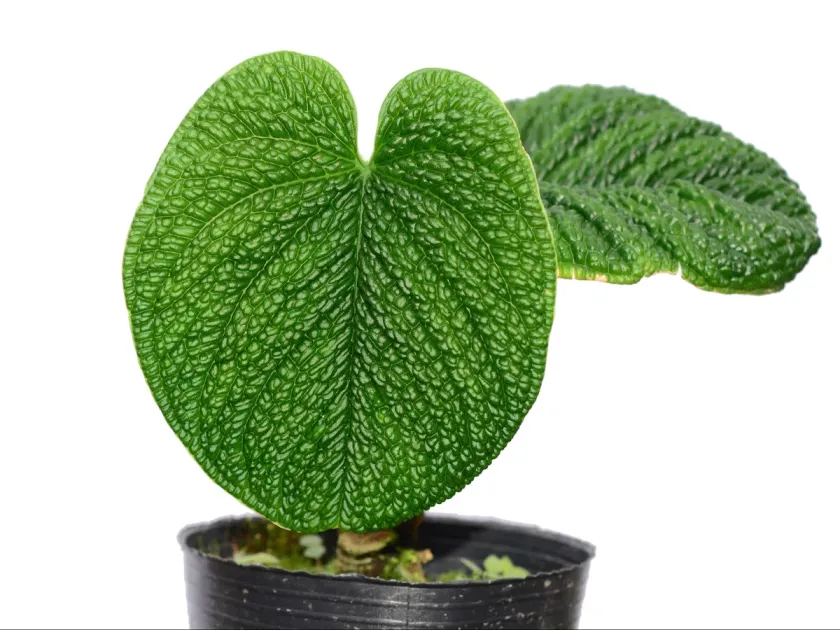
Description
Growing requirements
Anthurium splendidum is a distinctive species within the Araceae family. Native to the tropical rainforests of Colombia, this plant typically thrives as an epiphyte in high-humidity environments at elevations ranging from 200 to 800 meters above sea level.
The plant is highly prized for its unique foliage, which features a prominent bullate (puckered) texture. The leaves transition from a lighter green in their juvenile stage to a deep, dark green with a velvety finish as they mature, making it a standout in any botanical collection.
To ensure optimal development, provide bright, indirect light. Exposure to direct sunlight should be strictly avoided, as it causes severe tissue damage and bleaching of the dark green pigments. A stable temperature range of 20°C to 26°C is recommended for active growth.
The growing medium must be highly aerated, acidic, and well-draining. A professional mix should incorporate chunky pine bark, horticultural charcoal, perlite, and sphagnum moss. This composition allows for sufficient oxygen circulation around the root system, preventing compaction.
Humidity management is the most critical aspect of the plant's requirements. Anthurium splendidum performs best in environments with humidity levels consistently above 70%. In low-humidity indoor settings, specialized equipment such as humidifiers or glass enclosures is necessary.
Main diseases and pests
Spider mites are the most persistent pest for this species, thriving in environments that are not sufficiently humid. Regular monitoring of the leaf undersides is recommended, along with the application of appropriate acaricides if an infestation is detected.
Mealybugs can also pose a significant threat, often hiding in the crevices of the petiole and the emerging leaf. Their control involves manual removal and the use of systemic insecticides approved for delicate ornamental foliage.
Root rot is the primary physiological disorder associated with poor cultivation practices, particularly overwatering in heavy soil. Maintaining a balance between hydration and aeration is essential to keep the root system healthy and functional.
Fungal leaf spot diseases may appear if there is poor airflow around the foliage. Ensuring that the leaves dry out after misting or high-humidity cycles can help prevent the spread of these pathogens, along with proper sanitation protocols.
Successful management of this plant requires attention to detail and a commitment to maintaining its specific tropical habitat. When these conditions are met, Anthurium splendidum proves to be a rewarding and long-lived addition to an indoor garden.