
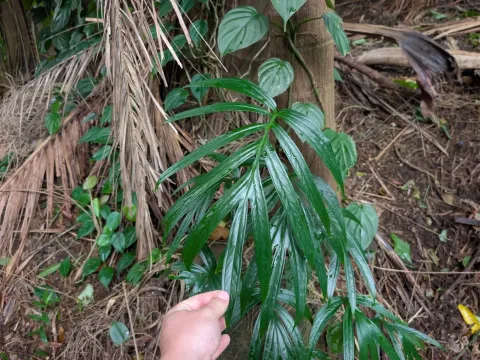
Amydrium
Amydrium
Amydrium is a genus of evergreen tropical vines belonging to the Araceae family. Native to the rainforests of Southeast Asia, these plants are well-known for their unique, often fenestrated or deeply lobed foliage that adds a dramatic tropical aesthetic to any collection.
What the section contains


Amydrium
Botanically, Amydrium plants are hemi-epiphytes, meaning they start their life on the ground or as seedlings on trees, eventually climbing towards the canopy. They thrive in dappled light conditions, imitating the forest floor environment where direct sunlight is filtered through the overhead leaves.
Climate requirements include stable temperatures between 22 and 28 degrees Celsius throughout the year. They are sensitive to cold drafts and significant temperature fluctuations, which can stress the plant and lead to stunted growth or leaf drop.
The soil substrate must be highly porous and well-draining to mimic the epiphytic conditions of their native habitat. A mix consisting of orchid bark, high-quality peat, perlite, and a small amount of activated charcoal is ideal for maintaining the necessary balance of moisture and air circulation.
In terms of usage, Amydrium is predominantly cultivated as an ornamental plant for indoor landscaping, greenhouses, and botanical displays. Its distinct architectural leaves make it a popular choice for enthusiasts looking to bring a touch of the exotic into interior environments.
The primary threats to Amydrium are root and stem rots, typically triggered by waterlogged soil conditions. Proper irrigation management, where the plant is watered only when the top layer of the substrate is slightly dry, is essential for maintaining plant vitality.
Spider mites are a significant pest concern, especially in environments with low air humidity. These small pests can multiply rapidly and cause damage to the leaf surfaces, requiring prompt intervention with miticides or regular leaf washing to maintain hygiene.
Scale insects and mealybugs can also infest the stems and undersides of the leaves. Regular inspection of the plant is recommended, as manual removal and the use of systemic insecticides are often necessary to keep the infestation under control.
Nutrient deficiency, which can appear as yellowing of the leaves or chlorosis, is often a sign that the plant needs regular fertilization. During the growing season, a balanced liquid fertilizer should be applied to support the development of new, healthy foliage.
Environmental stress, such as exposure to dry air or extreme temperature changes, can lead to scorched leaf edges or browning. Maintaining a consistent environment with adequate humidity is key to preventing these physiological disorders and ensuring long-term health.