
Anthurium gracile
Anthurium gracile
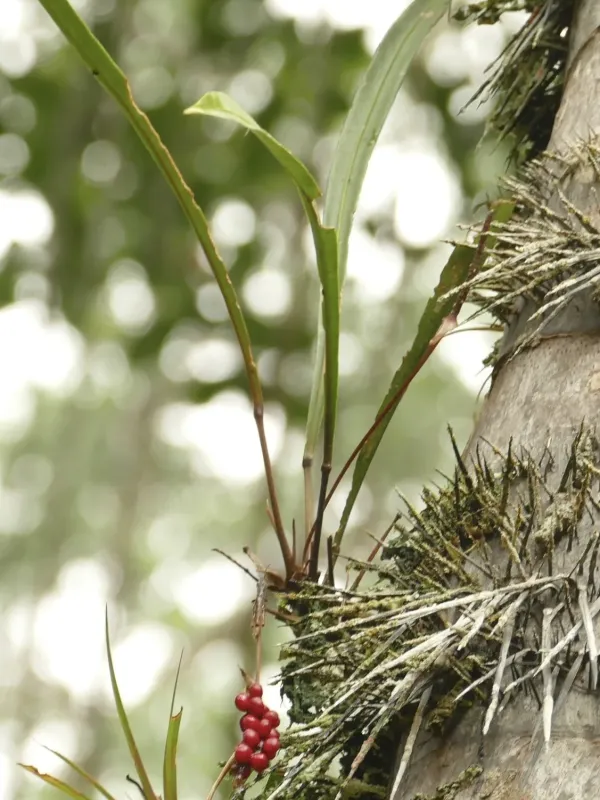
Description
Growing requirements
Anthurium gracile is a distinct member of the Araceae family, native to the tropical rainforests of Central and South America. It typically grows as an epiphyte, attaching itself to trees in high-humidity canopy environments.
To cultivate this species successfully, maintain a stable temperature range between 20°C and 25°C. The plant is sensitive to cold drafts, which can cause significant physiological stress and leaf drop.
The planting medium must be highly porous to ensure rapid drainage. A mixture containing orchid bark, perlite, coco coir, and charcoal provides the ideal structure for root aeration and moisture retention.
This crop thrives in high humidity, ideally exceeding 70%. In indoor settings, the use of a humidifier or a pebble tray is recommended to maintain the necessary atmospheric moisture levels.
Light requirements are best met with bright, indirect sunshine. Direct exposure to intense afternoon sunlight will scorch the leaves, while insufficient light can cause stunted growth and a loss of leaf color.
Main diseases and pests
Root rot is the most common pathology affecting Anthurium gracile, usually resulting from over-watering or the use of heavy, water-retentive soil that lacks proper oxygen flow.
Mealybugs are frequent pests that infest the leaf axils and stems. These insects feed on sap and can cause significant weakening of the plant if left untreated for long periods.
Scale insects also pose a threat by attaching themselves to the undersides of leaves and stems. Their presence is often marked by sticky honeydew residue, which may lead to secondary fungal infections.
Treatment should involve manual removal where possible, followed by the application of horticultural soap or systemic insecticides, ensuring the treatment reaches crevices where pests hide.
Maintaining good hygiene in the growing space, including the prompt removal of dead or decaying leaf material, is vital to prevent the spread of fungal and bacterial spores.