
Anthurium regale
Anthurium regale
Description
Growing requirements
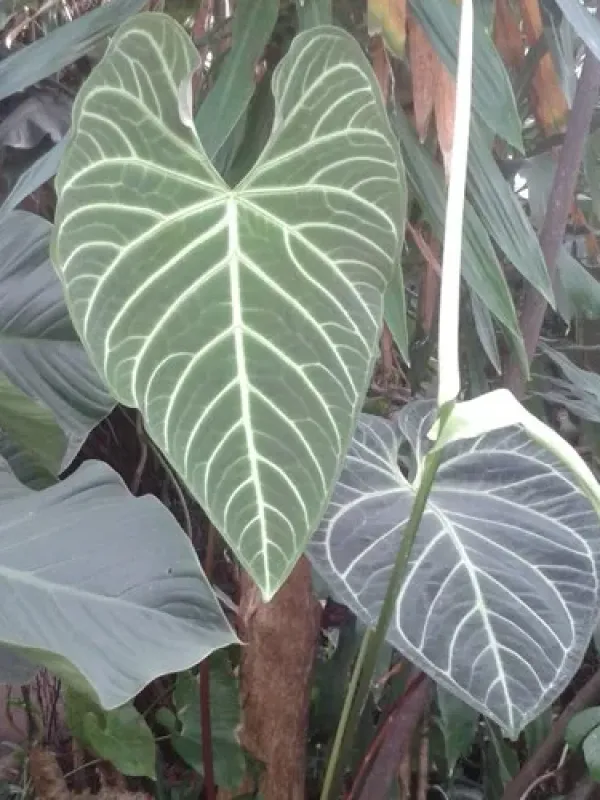
Anthurium regale is a magnificent species within the Araceae family, native to the tropical rainforests of Peru. It is highly prized by collectors for its large, velvety leaves adorned with prominent, pale venation.
To cultivate this species successfully, one must replicate its natural habitat conditions. The ideal temperature range is between 22°C and 27°C, as the plant is highly sensitive to fluctuations and sudden drops in temperature.
The substrate must be exceptionally well-draining, mimicking the forest floor. A mixture of pine bark, charcoal, coco coir, and perlite is recommended to prevent waterlogging and ensure the roots receive adequate aeration.
High relative humidity, ideally between 70% and 85%, is crucial for the healthy development of its signature foliage. Without adequate moisture, the leaf margins may become crispy or fail to unfurl correctly.
Lighting should be bright but strictly indirect. Excessive sunlight causes severe leaf burn, while insufficient light leads to slow growth and reduced size of the new leaves, diminishing the plant's ornamental potential.
Main diseases and pests
The most common pests affecting Anthurium regale are spider mites, mealybugs, and scale insects. These pests often congregate on the undersides of leaves, making regular inspections a vital part of plant maintenance.
Root rot and fungal leaf spots are frequent issues caused by overwatering or poor ventilation. If the soil remains saturated for too long, the root system begins to suffocate, leading to rapid deterioration of the plant.
Effective pest management involves the use of horticultural soaps or systemic insecticides when outbreaks occur. Always test a small area of the foliage before applying any chemical treatment to the entire plant.
Promoting good airflow around the plant helps prevent fungal spores from establishing. Avoid overcrowding plants in your collection to ensure enough space for proper transpiration and gas exchange.
Proper hygiene, such as removing any decaying foliage immediately, plays a significant role in reducing the risk of pathogen outbreaks and keeping your Anthurium regale thriving for years.