
Anthurium pedatoradiatum
Anthurium pedatoradiatum
Description
Growing requirements
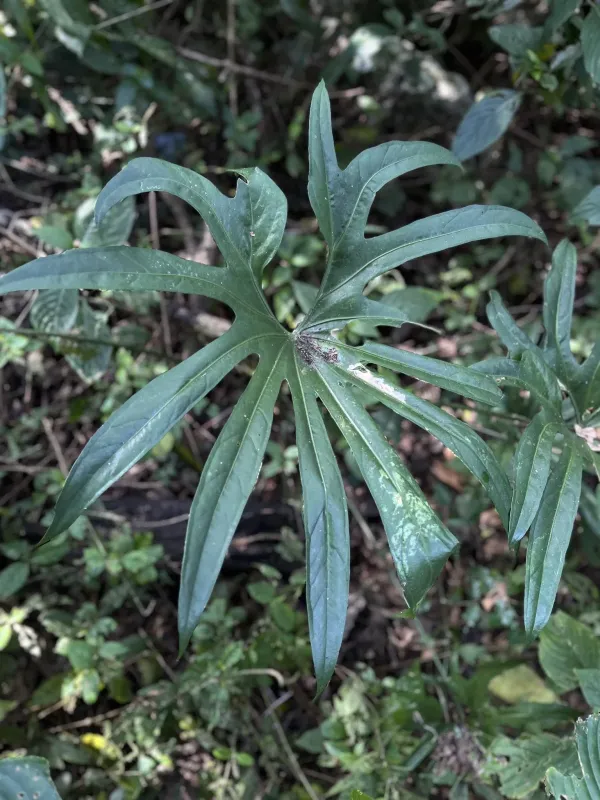
Anthurium pedatoradiatum is a distinctive member of the Araceae family native to the tropical forests of Mexico. It is botanically prized for its unique, deeply lobed, fan-shaped leaves, which set it apart from the more common cordate-leaved Anthurium species.
This species thrives in a stable tropical environment with temperatures consistently between +20°C and +26°C. It is highly sensitive to cold drafts and fluctuating temperatures, which can cause significant stress, leaf yellowing, and stunted growth in cultivated settings.
High relative humidity, ideally between 70% and 80%, is essential for this plant to maintain its structural integrity and leaf luster. In controlled agricultural environments, humidity is managed through automated misting systems or ultrasonic humidifiers to simulate rainforest conditions.
The substrate must be highly porous and well-draining to prevent root asphyxiation. A professional-grade potting mix typically includes orchid bark, perlite, horticultural charcoal, and peat moss or coconut coir to ensure proper gas exchange at the root level.
Lighting requirements involve bright, indirect light. Direct sunlight exposure should be strictly avoided, as it causes severe leaf scorch and tissue damage. If grown indoors, supplemental LED lighting with a full spectrum is recommended to maintain a steady rate of photosynthesis.
Main diseases and pests
Root rot is the most common physiological threat caused by overwatering or compacted soil. Maintaining a strict watering schedule that allows the upper portion of the growing medium to dry out slightly between waterings is the primary preventative measure for this condition.
Spider mites represent a frequent pest challenge, particularly in low-humidity conditions. These pests feed on sap, causing stippling and eventual leaf drop. Regular monitoring and the application of horticultural oils or miticides are necessary when early signs of infestation appear.
Mealybugs can often hide in the crevices of the stem or the junction of the petioles. If detected, they should be mechanically removed with an alcohol-soaked swab, followed by the application of systemic insecticides if the population is significant.
Anthracnose, a fungal disease manifesting as dark, sunken lesions on foliage, can occur during periods of poor air circulation. Improving ventilation and maintaining clean tools are critical to stopping the spread of spores among the plant stock.
Mineral toxicity, often resulting from excessive fertilization or high-salinity water, manifests as burned leaf margins. The use of distilled or reverse osmosis water and a balanced, slow-release liquid fertilizer is recommended to ensure long-term plant health.