
Arabidopsis pumila
Arabidopsis pumila
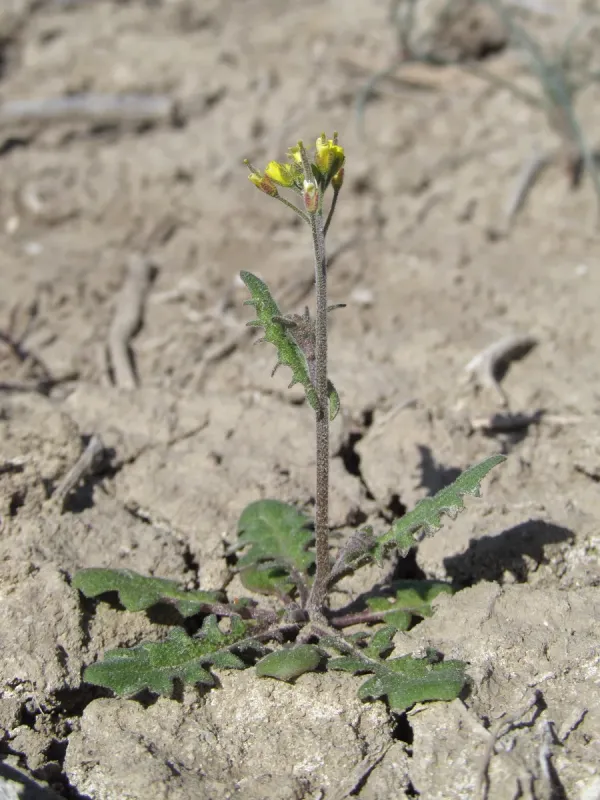
Description
Sowing dates
Arabidopsis pumila is a member of the Brassicaceae family, sharing many physiological traits with model organisms used in plant science. It is a small annual plant characterized by a short life cycle.
The sowing period typically starts in early spring when temperatures are sufficient for germination. Seeds require shallow planting in well-prepared, friable soil to ensure maximum emergence rates.
Successful establishment relies on consistent moisture levels during the first two weeks of growth. The plants are highly adaptable to various spring-sown conditions in temperate climates.
Seedlings emerge rapidly and develop a dense basal rosette of leaves before transitioning into the reproductive phase. This stage is critical for resource accumulation in the plant tissues.
Optimizing planting density is essential for managing light interception. Given its small size, standard agricultural machinery may need calibration to avoid seed burial at depths greater than 0.5 centimeters.
Growing requirements
This species requires full sun exposure to thrive. Shade-grown plants often exhibit etiolated growth and reduced reproductive output, which is detrimental for seed harvesting.
The ideal soil profile is sandy or loamy with excellent drainage. It is highly sensitive to waterlogging, which often leads to root collar rot and rapid plant decay.
Temperature management is crucial, as the plant prefers cooler environments. It performs best in regions with spring temperatures ranging from 15°C to 20°C, avoiding summer extremes.
Soil pH should ideally be neutral or slightly acidic. Nutrient requirements are relatively low, but sufficient phosphorus is necessary for promoting root health and early flowering.
Aeration of the root zone is a key requirement for healthy growth. In greenhouse settings, supplemental ventilation is recommended to maintain the low humidity levels that Arabidopsis species prefer.
Main diseases and pests
The most common disease affecting this culture is downy mildew, which thrives in cool, humid conditions. Preventive measures include wide spacing and proper irrigation management to keep foliage dry.
Pest pressure is frequently driven by crucifer flea beetles, which can cause severe damage to cotyledons and young leaves. Row covers or biological controls are often effective in reducing pest impact.
Aphids are secondary pests that colonize floral stems, particularly during periods of environmental stress. Regular scouting is required to prevent significant yield losses during the seed-filling stage.
Root rot fungi, such as Pythium spp., can become a problem if drainage is insufficient or if irrigation is excessive during overcast periods.
Integrated pest management protocols should be implemented to ensure that chemical interventions remain at a minimum, preserving the ecological balance around the crop.