
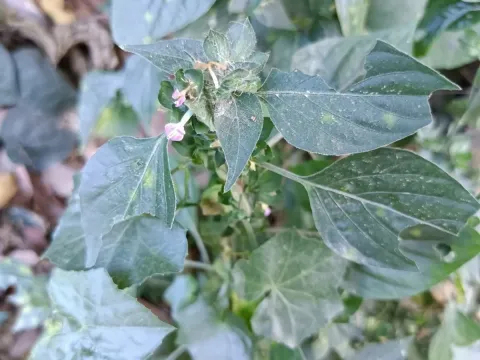
Dicliptera
Dicliptera
Dicliptera is a genus belonging to the Acanthaceae family, known for its diverse species and ornamental appeal. Seeds are typically sown in early spring, requiring a consistent soil temperature of 18–20°C for optimal germination.
What the section contains
 Chinese dicliptera
Dicliptera chinensis
Chinese dicliptera
Dicliptera chinensis
 Dicliptera brachiata
Dicliptera elliottii
Dicliptera elliottii
Dicliptera brachiata
Dicliptera brachiata
Dicliptera elliottii
Dicliptera elliottii
 Dicliptera japonica
Dicliptera krugii
Dicliptera krugii
Dicliptera martinicensis
Dicliptera martinicensis
Dicliptera japonica
Dicliptera japonica
Dicliptera krugii
Dicliptera krugii
Dicliptera martinicensis
Dicliptera martinicensis
 Dicliptera peruviana
Dicliptera peruviana
Dicliptera peruviana
 Dicliptera resupinata
Dicliptera roxburghiana
Dicliptera roxburghiana
Dicliptera sebastinei
Dicliptera sebastinei
Dicliptera resupinata
Dicliptera resupinata
Dicliptera roxburghiana
Dicliptera roxburghiana
Dicliptera sebastinei
Dicliptera sebastinei
 Dicliptera sexangularis
Dicliptera sexangularis
Dicliptera sexangularis
 Dicliptera squarrosa
Dicliptera squarrosa
Dicliptera squarrosa
 Dicliptera tinctoria
Dicliptera tinctoria
Dicliptera tinctoria
 Dicliptera unguiculata
Dicliptera unguiculata
Dicliptera unguiculata
 Dicliptera verticillata
Dicliptera verticillata
Dicliptera verticillata
Dicliptera
For best results, use a well-draining, nutrient-rich potting mix. Seeds should be sown on the surface and barely covered with fine soil, as light is often a beneficial factor for the germination process of these specific seeds.
In temperate climates, indoor sowing in late winter ensures a head start before the final frost. Seedlings should be kept in a bright location to prevent etiolation and promote the development of sturdy stems.
Once seedlings have developed a few sets of true leaves, they should be carefully pricked out and transplanted into individual containers or spaced out appropriately in garden beds.
Proper spacing is crucial for airflow and overall plant health. Providing 25–30 cm between plants helps minimize competition for nutrients and ensures uniform growth across the entire crop.
Originally from tropical and subtropical regions, Dicliptera thrives in warm environments with ample sunlight. While it tolerates partial shade, full sun exposure is generally preferred for vibrant color and dense growth.
The soil should be fertile, light, and well-aerated. A pH level near neutral is ideal, as extreme soil acidity or alkalinity can negatively impact nutrient absorption and overall plant vigor.
Watering management is key to successful cultivation. The plants require consistent moisture but are highly intolerant of waterlogged conditions, which can lead to root damage and fungal infections.
During the active growing season, regular liquid fertilization is highly recommended. A balanced NPK fertilizer applied every fortnight supports continuous flowering and maintains healthy foliage.
Dicliptera is not frost-hardy and should be treated as an annual or brought indoors in colder regions. Maintaining temperatures above 15°C ensures steady vegetative development throughout the season.
Spider mites are common pests that thrive in the dry conditions often associated with indoor or container-grown Dicliptera. Monitoring and increasing air humidity can help reduce the risk of infestation.
Fungal diseases like powdery mildew can appear when plants are subjected to high humidity and poor ventilation. Ensuring adequate space between plants is essential for maintaining a healthy microclimate.
Root rot, caused by overwatering or poorly drained soil, is a frequent threat. Always check that pots have drainage holes and avoid leaving trays filled with excess water after irrigation.
Whiteflies can also cause significant damage by sucking sap from the leaves. Integrated pest management, involving both mechanical removal and biological controls, is effective in keeping populations under control.
Vigilance regarding general hygiene, such as removing dead leaves and weeds from around the plants, significantly reduces the likelihood of both pest outbreaks and the spread of pathogens.