
Abutilon tiubae
Abutilon tiubae
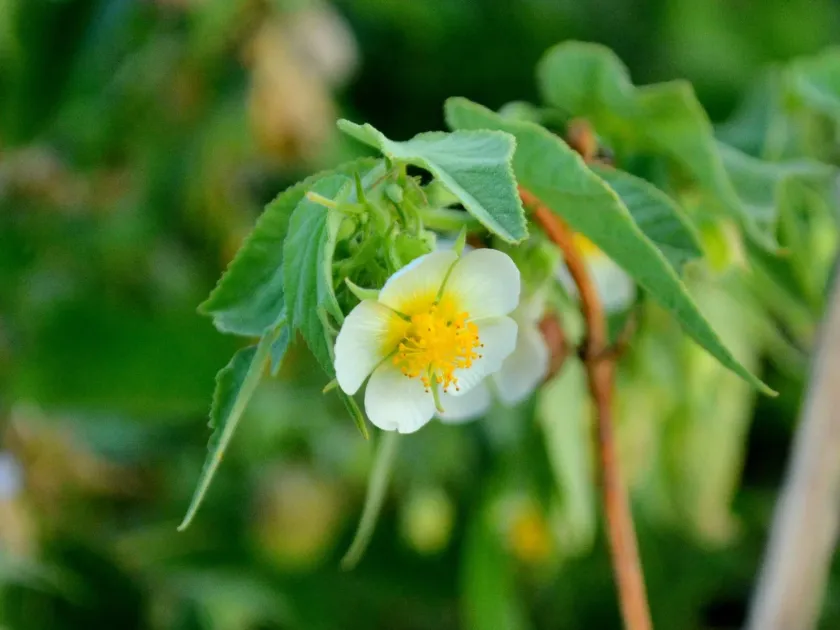
Description
Sowing dates
Abutilon tiubae is a specialized plant species within the Malvaceae family, primarily recognized for its potential as a source of high-quality vegetable fiber.
The sowing process begins when soil temperatures consistently reach at least 12–15 degrees Celsius, ensuring favorable conditions for seed germination and seedling vigor.
Farmers typically conduct sowing in late spring, utilizing standard row-seeding techniques to achieve the optimal plant density necessary for high fiber production.
The seeds should be sown at a depth of 3 to 4 centimeters in well-prepared, friable soil to ensure rapid emergence and early establishment of the crop.
Precision seeding is recommended to prevent overcrowding, which can otherwise limit the individual growth potential of each plant and affect fiber uniformity.
Growing requirements
This crop thrives in fertile, well-drained soils, with a strong preference for loamy textures that provide excellent moisture retention without the risk of waterlogging.
Abutilon tiubae is a heat-loving plant, requiring a significant sum of active temperatures throughout the growing season to reach full maturity before the autumn cooling.
Adequate sunshine is crucial for photosynthesis; therefore, the crop should be planted in open areas, away from the shading effects of forests or tall buildings.
Nutrient management, particularly nitrogen fertilization, plays a vital role in stimulating rapid stem elongation, which is essential for producing long, uniform fibers.
Water requirements are highest during the vegetative growth phase; irrigation systems should be employed in regions where rainfall is insufficient or erratic.
Main diseases and pests
Like many Malvaceae members, Abutilon tiubae can be vulnerable to various fungal diseases, especially under conditions of poor soil drainage and high humidity.
Insect pests, such as aphids and spider mites, represent a persistent threat to plant health, as they can weaken the plants and facilitate secondary viral infections.
To mitigate these risks, agricultural managers should prioritize strict crop rotation cycles, avoiding the cultivation of related Malvaceae species on the same field.
Early-season weed control is critical, as young seedlings are slow to develop and can be easily outcompeted by invasive weeds in the field environment.
Integrated pest management (IPM) strategies, including biological controls and targeted chemical treatments, are recommended to protect yield during the peak infestation periods.
Harvesting
Harvesting for fiber is typically timed with the onset of the flowering stage, as this represents the peak in technical fiber quality before lignification occurs.
Mechanical harvesting involves cutting the stems close to the base, followed by field retting or industrial processing to extract the fibrous material efficiently.
Timely harvest is paramount; delaying operations leads to the accumulation of excess lignin in the stems, which decreases the spinning quality of the resulting fibers.
The final fiber products derived from Abutilon tiubae are widely utilized in industrial applications, including the production of textiles, twines, and sustainable materials.
Efficient post-harvest management, including proper drying and storage, ensures that the fiber retains its strength and durability for the textile industry.