
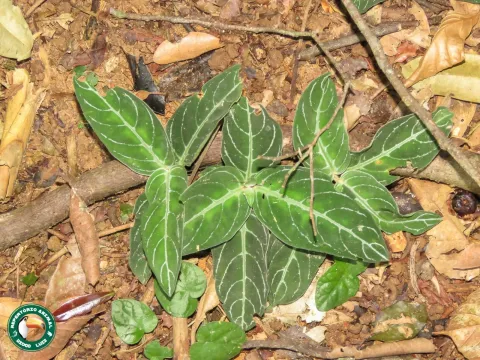
Chamaeranthemum
Chamaeranthemum
Chamaeranthemum is a genus of perennial herbaceous plants belonging to the Acanthaceae family. These plants are native to the tropical rainforests of South America, primarily Brazil, where they thrive in the shaded and moist conditions of the forest floor.
What the section contains


Chamaeranthemum
The successful cultivation of Chamaeranthemum requires a stable environment with high atmospheric humidity. In agricultural and horticultural settings, it is essential to keep the plant away from cold drafts and direct heating sources that dry out the foliage.
Optimal growth is achieved in a well-draining, nutrient-rich soil mixture. A composition of peat-based potting soil combined with perlite or coarse sand helps maintain the necessary soil structure and prevents waterlogging, which the root system is particularly sensitive to.
Regarding light requirements, these plants prefer bright, indirect sunlight. Exposure to harsh, direct sunlight will scorch the leaves, while insufficient lighting can lead to the fading of the characteristic variegation or color patterns on the foliage.
The primary economic use of Chamaeranthemum is in the ornamental plant industry. It is highly valued for its striking leaf patterns, making it a popular choice for indoor horticulture, terrariums, and greenhouse displays where tropical aesthetics are desired.
The most common pests affecting Chamaeranthemum are spider mites and scale insects. These pests often flourish when the air quality becomes too dry, making regular humidity management and routine inspection essential for plant health.
Fungal infections, particularly root rot, pose the greatest threat to plant longevity. These issues are almost exclusively caused by overwatering or poor drainage, which creates an anaerobic environment that leads to the decay of the root system.