
Dicliptera verticillata
Dicliptera verticillata
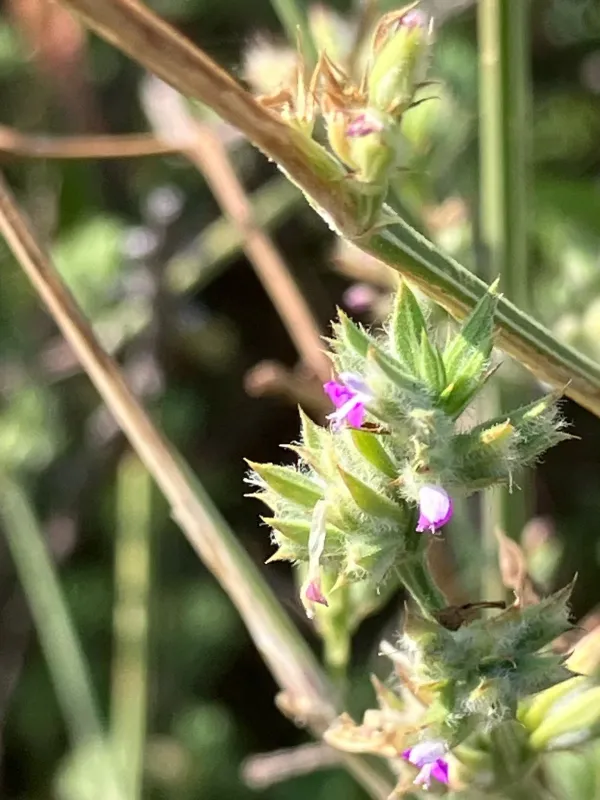
Description
Sowing dates
Dicliptera verticillata is a tropical species, and its sowing schedule is strictly dictated by local temperature conditions. In temperate regions, sowing should occur only after the risk of frost has passed, ensuring soil temperatures stay above 18-20 degrees Celsius.
The use of seedlings is highly recommended for commercial production to ensure high viability and uniform stand establishment. Starting in greenhouses or cold frames during late winter allows for a prolonged growing season and faster crop development once transplanted.
Seeds of this plant are relatively small, requiring precise placement at a shallow depth of no more than 1.5 centimeters. Maintaining consistent soil moisture during the germination phase is essential to prevent seed dehydration and poor emergence rates.
For optimal growth, planting spacing should be maintained at 30-40 centimeters between individual plants. This spacing provides enough room for the plants to bush out, maximizing the yield of vegetative material which is often the primary harvest objective.
Young plants are sensitive to drying winds and direct heat, so protective measures such as shade cloth or temporary tunnels are often used during the initial stages of field establishment to secure better plant survival.
Growing requirements
As a member of the Acanthaceae family, Dicliptera verticillata requires fertile, well-draining loamy soils with a slightly acidic to neutral pH. Poorly drained soil will lead to rapid root decay, making soil preparation and drainage systems a top priority for farmers.
Full sun is preferred, although light shade is beneficial in extremely hot tropical climates to prevent leaf scorching. Consistent exposure to sunlight promotes the production of phytochemicals, which are essential if the crop is intended for pharmaceutical use.
Regular fertilization with high-nitrogen compounds is recommended during the early growth phase to stimulate biomass production. As the plant matures, adjusting the nutrient ratio toward potassium can help improve the plant's overall resilience to environmental stress.
Mechanical weed control through inter-row cultivation is necessary to maintain clean fields and reduce competition for nutrients and water. This process also improves soil aeration, which is beneficial for the development of a healthy root system.
Water management is crucial during the flowering period, where the demand for soil moisture increases significantly. Drip irrigation systems are the most effective way to deliver precise water amounts, maintaining optimal moisture levels without waterlogging the soil.
Main diseases and pests
Root rot caused by various soil-borne pathogens remains the primary threat to the crop, especially in conditions of poor soil aeration. Preventing water stagnation is the most effective cultural practice to mitigate the risk of these infections.
Spider mites and aphids can become major pests, especially during prolonged periods of drought. Monitoring leaves for signs of infestation and applying targeted, environmentally friendly control measures helps to protect the foliage and maintain plant vigor.
Powdery mildew is a common fungal disease that affects plants in overcrowded fields with poor airflow. Improving ventilation and spacing between plants are the best preventative measures to avoid excessive humidity around the canopy.
Nematodes are another potential hazard that can compromise root health, leading to stunted growth. Implementing strict crop rotation schedules with non-host crops is an effective strategy to keep nematode populations at manageable levels.
Finally, standard farm hygiene, including the removal and destruction of crop residues after harvest, prevents the overwintering of pests and pathogens. These simple practices are essential for long-term production success on the same plot of land.