
Dicliptera brachiata
Dicliptera brachiata
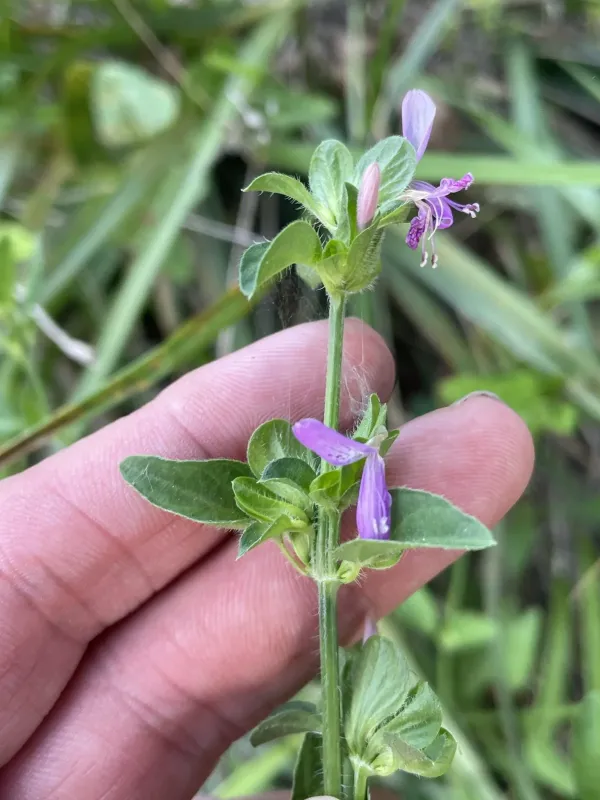
Description
Growing requirements
Dicliptera brachiata, commonly known as branched dicliptera, is an annual herbaceous plant belonging to the Acanthaceae family. It is native to North American regions, where it thrives in humid and shaded forest environments.
This species requires fertile, well-draining soil with a pH ranging from neutral to slightly acidic. Providing a substrate rich in organic matter is essential for vigorous growth and long-lasting flowering during the season.
Climatically, the plant prefers warm conditions with temperatures ideally between 20°C and 25°C. It is highly sensitive to frost, which makes it suitable primarily as a seasonal ornamental plant in temperate regions.
Regarding light exposure, the plant performs best in filtered sunlight or partial shade. Direct, intense afternoon sunlight can scorch the foliage, reducing its ornamental value and causing the leaves to lose their vibrant color.
Maintenance involves consistent watering to keep the soil moist but not waterlogged. Mulching around the base of the plant can help retain ground moisture and regulate temperature fluctuations in the root zone.
Main diseases and pests
Spider mites are the most common pests affecting Dicliptera brachiata, particularly in dry and hot conditions. These pests can rapidly infest foliage, leading to visible stippling and eventual leaf drop.
Whiteflies can also cause significant damage by colonizing the underside of leaves. They excrete honeydew, which promotes the growth of sooty mold, further hindering the plant's ability to photosynthesize.
Root rot is a major threat often caused by overwatering or poorly drained soil. If the soil remains saturated for too long, the root system begins to decay, which is often fatal to the plant if not addressed early.
Powdery mildew may appear on the foliage if air circulation is insufficient. This fungal infection creates a white, powdery coating on the surface of leaves, which can be managed with appropriate fungicides and improved ventilation.
Effective management includes regular inspection of the plants, maintaining adequate space between individual specimens, and removing any symptomatic tissue to prevent the spread of fungal spores or pest populations.