
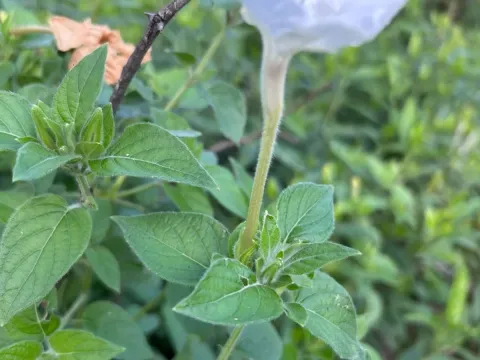
Dipteracanthus
Dipteracanthus
Dipteracanthus is a genus belonging to the Acanthaceae family, known for its diverse species adapted to tropical and subtropical environments. This culture is primarily utilized in ornamental horticulture and botanical collections due to its distinct floral and foliage features.
What the section contains

Dipteracanthus
The plant originates from the tropical regions of Asia and Africa, thriving in humid, sheltered environments. When cultivated, it requires an environment that mimics the understory of tropical forests, emphasizing the need for diffused light and high humidity.
Soil requirements for optimal development include a nutrient-rich, well-draining substrate. It is highly recommended to use a mix that retains moisture while allowing sufficient aeration for the root system, preventing the accumulation of excess salts or stagnant water.
Regarding climate, the plant demands consistent warmth, ideally between +20°C and +28°C. Cold spells are detrimental to its health, meaning it should be kept in frost-free conditions throughout the entire developmental cycle to avoid metabolic stress.
Agronomic management involves regular fertilization using balanced mineral nutrients, particularly during the active growth phase. Pruning may be required to maintain the desired shape and stimulate bushier growth, contributing to better overall plant structure and vitality.
Pest management is a critical aspect of Dipteracanthus maintenance. Spider mites and mealybugs are the most common adversaries, particularly in indoor conditions or greenhouse environments where humidity levels are not strictly controlled.
Fungal pathogens such as root rot frequently occur if the drainage system is compromised or if the watering regime is too aggressive. Implementing a rigorous irrigation schedule and ensuring proper air circulation are the best practices to mitigate these phytosanitary risks.