
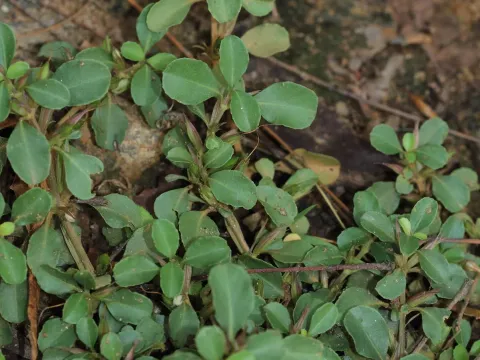
Dyschoriste
Dyschoriste
Dyschoriste belongs to the Acanthaceae family. This genus includes approximately 100 species of perennial herbaceous plants and subshrubs, naturally occurring throughout the tropical and subtropical regions of the Americas, Africa, and Asia.
What the section contains
 Dyschoriste angusta
Dyschoriste angusta
Dyschoriste angusta
 Dyschoriste crenulata
Dyschoriste crenulata
Dyschoriste crenulata
 Dyschoriste depressa
Dyschoriste depressa
Dyschoriste depressa
 Dyschoriste heudelotiana
Dyschoriste heudelotiana
Dyschoriste heudelotiana
 Dyschoriste humistrata
Dyschoriste hydrophiloides
Dyschoriste hydrophiloides
Dyschoriste humistrata
Dyschoriste humistrata
Dyschoriste hydrophiloides
Dyschoriste hydrophiloides
 Dyschoriste linearis
Dyschoriste linearis
Dyschoriste linearis
 Dyschoriste oblongifolia
Dyschoriste oblongifolia
Dyschoriste oblongifolia
 Dyschoriste quadrangularis
Dyschoriste schiedana
Dyschoriste schiedana
Dyschoriste quadrangularis
Dyschoriste quadrangularis
Dyschoriste schiedana
Dyschoriste schiedana
 Dyschoriste schiedeana
Dyschoriste schiedeana
Dyschoriste schiedeana
 Dyschoriste thunbergiiflora
Dyschoriste trichanthera
Dyschoriste trichanthera
Dyschoriste thunbergiiflora
Dyschoriste thunbergiiflora
Dyschoriste trichanthera
Dyschoriste trichanthera
Dyschoriste
Botanically, the culture is defined by opposite leaves, which often display entire or slightly serrated margins. The flowers are typically arranged in axillary inflorescences or solitary, featuring a characteristic two-lipped corolla in various shades of purple, pink, or white.
Successful cultivation of Dyschoriste requires well-drained, fertile soils with a neutral or slightly acidic pH balance. The plant prefers areas with high light intensity, although in conditions of extreme heat, light shading is recommended to prevent leaf scorching.
Climate requirements depend on the specific species' origin, as most are thermophilic and cannot survive freezing temperatures. In temperate zones, cultivation is mostly limited to greenhouses or as seasonal container plants during warmer months.
In terms of agricultural and horticultural use, Dyschoriste is valued primarily as an ornamental flowering plant for landscaping in warm climates. Certain species are known for their ground-covering habits, aiding in soil erosion control on slopes.
The main threats to Dyschoriste health include over-watering the substrate, which leads to root rot development, and low humidity levels, which often trigger spider mite infestations.
When grown in protected environments, the plant may be susceptible to aphids and whiteflies. Regular inspections and the use of broad-spectrum insecticides are recommended if heavy pest pressure occurs.
Fungal diseases, such as powdery mildew, can manifest under conditions of poor ventilation. Providing adequate air circulation is a critical factor in preventing pathogen growth on the foliage.
Strict irrigation management is essential, as waterlogging is detrimental to most species within the genus. Growers must prioritize substrates with high aeration and proper drainage layers.
Applying balanced fertilizers with essential micronutrients during the growing season significantly improves plant immunity, making them more resilient to environmental stress and potential disease outbreaks.