
Acacia polyacantha
Acacia polyacantha
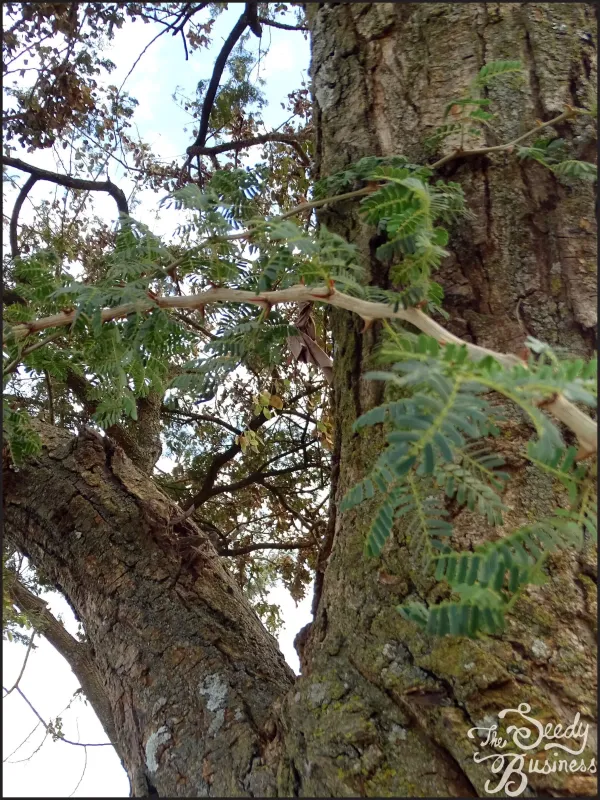
Description
Growing requirements
Acacia polyacantha is a fast-growing species belonging to the Fabaceae family, capable of reaching heights of 20 to 25 meters. Native to tropical regions of Africa and India, it is well-adapted to savanna environments and woodland ecosystems.
This species thrives in areas with full sun exposure and is intolerant of shading, making open fields the ideal location for plantation development. It is highly valued for its drought resistance, allowing it to flourish in semi-arid conditions where other species might fail.
Regarding soil requirements, it is adaptable to various soil types, including sandy and rocky substrates, provided they are well-drained. As a nitrogen-fixing plant, it improves soil quality by forming symbiotic relationships with root bacteria, which makes it an excellent choice for land restoration.
The climate must be tropical with consistently high temperatures throughout the year. It is highly sensitive to frost, so cultivation is restricted to frost-free zones with an annual rainfall range of 500 to 1200 mm to ensure healthy development.
Proper agronomic management involves weed control during the establishment phase, especially in the first two years of the tree's life. Applying phosphorus fertilizers at the time of planting supports root system development, which is crucial for survival in marginal lands.
Yield
The primary economic use of Acacia polyacantha is the production of high-density, durable timber. This wood is highly sought after for construction, furniture manufacturing, and flooring due to its resistance to decay and physical strength.
The bark of the tree is a significant source of tannins, which are utilized in the leather tanning industry. Furthermore, the species produces gum that is widely used in the food and pharmaceutical sectors for thickening and stabilizing purposes.
In agroforestry, this tree is frequently used as a windbreak and a living fence to prevent soil erosion on agricultural land. Its ability to enrich the soil with nitrogen also benefits intercropped plants, creating a more productive agricultural system.
The foliage and seed pods provide valuable fodder for livestock, serving as a critical nutritional resource during dry seasons when herbaceous forage is scarce. This makes the tree an essential asset for integrated silvopastoral systems.
The tree also serves as a source for apiculture, as its blossoms are rich in nectar. Commercial plantation managers can generate secondary income from honey production while waiting for the timber to reach a harvestable age, typically around 10–12 years.
Main diseases and pests
Young seedlings are frequently attacked by leaf-eating insects, such as caterpillars and various weevils. Early monitoring is essential to prevent significant defoliation that can stunt the tree's growth and reduce overall yield potential.
Root rot, a common fungal disease, may occur if the soil remains waterlogged for extended periods. Implementing proper soil drainage solutions is the most effective preventative measure against fungal outbreaks in a forest stand.
Parasitic plants like mistletoe can infest the branches of mature trees, drawing away vital nutrients and weakening the tree's overall vigor. Regular pruning of infested branches is a necessary practice to maintain the health of the entire plantation.
Termites represent a significant biological threat to both the bark and wood of the tree. In high-risk areas, applying organic-based pest control methods in the root zone helps protect the trees from catastrophic structural damage.
Biosecurity is vital in forest management; therefore, tools used for pruning should be disinfected between trees to prevent the transmission of pathogens. Maintaining a clean and debris-free plantation floor minimizes habitats for secondary pests.