
Achillea santolinoides
Achilla santolinoides
Description
Growing requirements
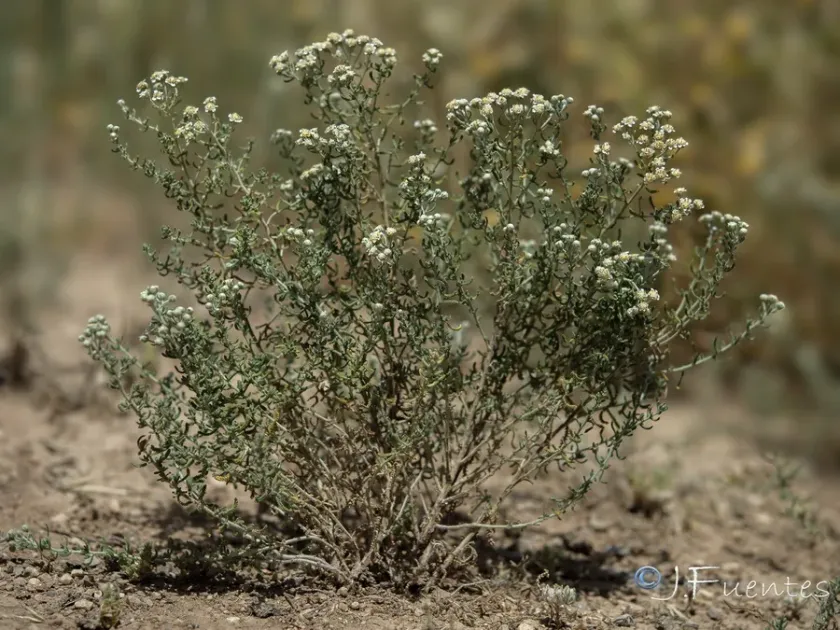
Achillea santolinoides is a perennial herbaceous plant belonging to the Asteraceae family. It is distinguished by its unique greyish, tomentose foliage, which serves as a natural adaptation to intense sunlight and arid environmental conditions found in its native habitat.
The plant originates from the arid regions of the Middle East and the Mediterranean basin. It is highly valued for its ability to thrive in poor, rocky, and skeletal soils where traditional agricultural crops would fail to establish, making it suitable for low-input farming systems.
Climatic requirements are centered on high solar radiation and low precipitation levels. The species is remarkably drought-tolerant, utilizing its deep root system to access deep-seated moisture while maintaining metabolic stability during prolonged dry seasons.
Soil management should prioritize excellent drainage. The plant is highly susceptible to root rot if the growing medium remains saturated for extended periods, necessitating the use of well-aerated, stony substrates to ensure long-term productivity and plant health.
Agricultural management practices involve precision sowing or transplanting with sufficient spacing. This allows for adequate air circulation around the crown of the plant, which is vital for preventing humidity-related issues and ensuring the consistent quality of the aerial parts harvested.
Harvesting
The primary utility of Achillea santolinoides lies in the essential oil extraction and medicinal applications. Harvesting is typically conducted during the full flowering stage to optimize the concentration of phytochemicals, which are essential for its therapeutic and industrial utilization.