
Dicliptera squarrosa
Dicliptera squarrosa
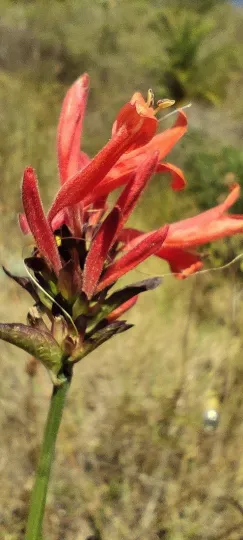
Description
Sowing dates
Seeds of Dicliptera squarrosa should be sown in late winter or early spring using a high-quality seed starting mix. Proper soil moisture and warmth are crucial for successful germination.
Keep the sowing tray in a warm location, ideally maintaining a temperature between 20°C and 25°C. Light covering with vermiculite helps maintain essential humidity during the process.
Seedlings need to be transplanted into individual pots once they develop their first set of true leaves. This promotes stronger root growth and prevents nutrient competition among young plants.
Acclimatization of the plants before moving them to their final growing location is highly recommended. Gradually expose them to outdoor conditions over a week-long period.
Proper spacing is vital when planting outdoors to ensure sufficient airflow. A spacing of at least 30–40 cm between plants is recommended for optimal canopy development.
Growing requirements
Dicliptera squarrosa belongs to the Acanthaceae family and thrives in well-drained, fertile soil. It performs best in substrates rich in organic matter with a neutral to slightly acidic pH.
The plant requires bright, filtered light to maintain its vibrant appearance. Direct exposure to harsh midday sun should be avoided to prevent leaf scorching.
Regular watering is essential, especially during active growth phases in the summer. Avoid letting the soil dry out completely, but ensure drainage is adequate to prevent waterlogging.
Monthly fertilization with a balanced liquid fertilizer will support vigorous growth and continuous blooming. Follow the application rates specified by the manufacturer.
Due to its tropical origin, the plant is sensitive to cold temperatures and frost. If grown in cooler climates, it should be treated as an annual or kept in a climate-controlled greenhouse.
Main diseases and pests
Spider mites are the most common pests associated with this plant, especially when humidity levels are low. Regular misting can help deter these insects.
Whiteflies can infest the undersides of the leaves, weakening the plant. Using horticultural oils or insecticidal soap is effective for controlling minor infestations.
Root rot is a major risk if the soil remains saturated for extended periods. Improving soil drainage and reducing watering frequency are key prevention measures.
Powdery mildew may develop if the plant is kept in an area with poor ventilation or high humidity without airflow. Pruning crowded foliage can improve overall health.
Regular inspection of the foliage is necessary to catch and treat pest outbreaks early. Healthy plants are generally more resistant to common diseases.