
Dicliptera unguiculata
Dicliptera unguiculata
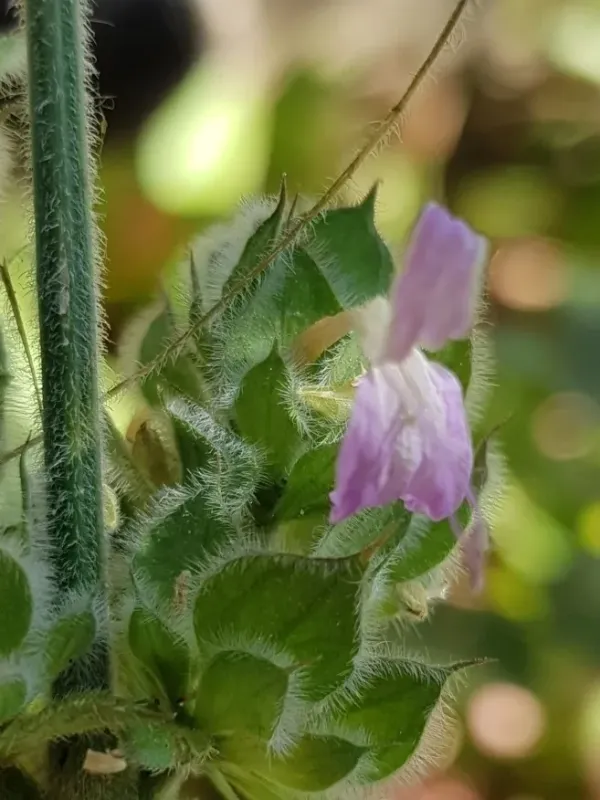
Description
Sowing dates
Dicliptera unguiculata, a member of the Acanthaceae family, is propagated through seeds. The sowing process typically begins in a controlled greenhouse environment in late winter to ensure a long growing season.
Seeds should be sown in a sterile, well-draining seed-starting mix. Lightly covering the seeds with vermiculite helps maintain the consistent humidity required for successful germination without suffocating the embryos.
The germination period usually spans two to three weeks under temperatures ranging from 20 to 24 degrees Celsius. Providing bottom heat can significantly improve germination rates during colder periods of the year.
Once seedlings have developed their second set of true leaves, they should be transplanted into larger pots to encourage robust root development. This stage is crucial for ensuring the plants remain sturdy before outdoor planting.
Hardening off the plants is an essential transition period. Gradually exposing them to outdoor conditions over a week prevents transplant shock and prepares the plant for varying environmental stressors.
Growing requirements
Dicliptera unguiculata thrives in loamy, nutrient-rich soils with a slightly acidic to neutral pH level. Ensuring the planting site has excellent drainage is paramount to prevent waterlogging.
While the plant appreciates full sun, it is best grown in locations where it receives partial shade during the peak heat of the afternoon. This protects the foliage from scorch and reduces transpirational stress.
Consistent irrigation is required throughout the growing season. The goal is to keep the soil evenly moist; avoiding extremes of dryness or saturation is the key to maintaining plant health.
Fertilization with a balanced, water-soluble fertilizer every two weeks promotes vigorous growth and enhances the plant's natural ornamental features. Avoid excessive nitrogen, which can lead to excessive foliage at the expense of floral displays.
Spacing is essential for maintaining plant vigor. Proper air circulation between individual plants reduces the microclimate humidity that often favors the development of fungal pathogens.
Main diseases and pests
Common pests include aphids and spider mites, which can proliferate quickly in dry conditions. Regular monitoring of the undersides of leaves is necessary to catch infestations at their earliest stages.
Fungal issues such as powdery mildew may occur if air circulation is poor or if the foliage remains wet for extended periods at night. Providing adequate spacing and avoiding overhead watering helps mitigate this risk.
Whiteflies can also pose a threat, particularly in high-temperature environments. Using yellow sticky traps or insecticidal soaps is an effective, environmentally friendly way to control their populations.
Root rot is a major threat caused by poor soil drainage. If signs of wilting appear despite adequate watering, the soil condition and root health should be immediately inspected for signs of decay.
Integrated pest management strategies, such as introducing beneficial insects and maintaining sanitation around the planting area, prove most effective in keeping Dicliptera unguiculata healthy and productive.