
Dicliptera tinctoria
Dicliptera tinctoria
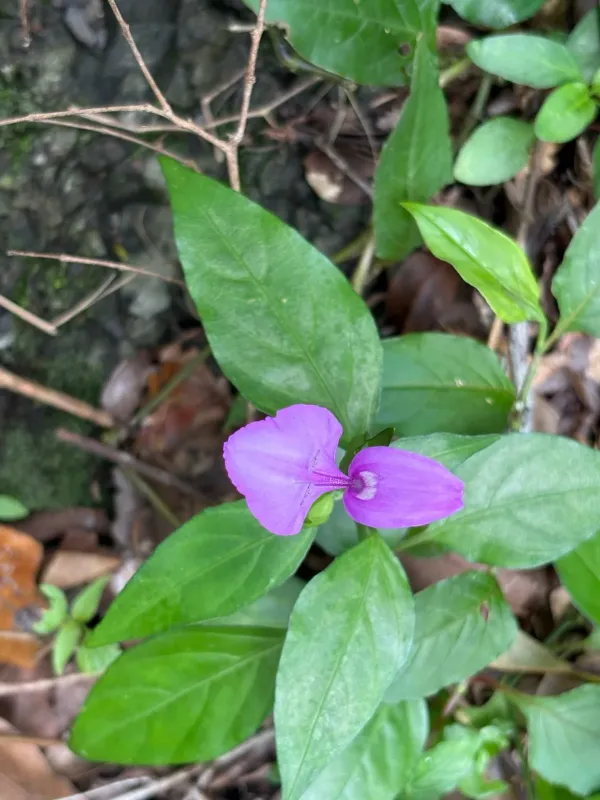
Description
Sowing dates
Dicliptera tinctoria, a member of the Acanthaceae family, is a herbaceous plant valued primarily for its natural pigment properties. In agricultural practice, it is often grown as an annual in cooler climates to ensure a reliable yield.
The sowing process begins when soil temperatures consistently reach 18–20 degrees Celsius. Seed depth should be minimal, approximately 1 centimeter, to facilitate successful germination and avoid rot.
Seedlings are often started indoors in greenhouses to extend the growing season, which is crucial for maximizing biomass production in regions with shorter summers.
Optimal spacing is essential for plant development; a density of 20–25 plants per square meter is generally recommended to allow sufficient airflow and sunlight penetration for each plant.
Pre-treatment of seeds with warm water or growth stimulators can improve germination uniformity, leading to more consistent stand establishment across the field.
Growing requirements
Dicliptera tinctoria thrives in full sun, which is necessary for the development of the chemical compounds responsible for its dyeing properties. Excessive shade can lead to stunted growth and reduced pigment concentration.
The soil should be fertile, well-draining, and rich in organic matter. Sandy loams are ideal, as they allow for good root aeration while retaining enough moisture to support rapid plant growth.
Consistent water availability is vital during the peak growing season. Drip irrigation systems are preferred to ensure the roots remain moist without soaking the leaves, which reduces the risk of fungal disease.
Nutrient management involves applying balanced fertilizers with a focus on nitrogen during the early stages of growth, followed by phosphorus and potassium to support the flowering phase.
The plant is highly sensitive to frost, necessitating careful timing of planting and potential protection strategies if temperatures drop unexpectedly during the early or late stages of the season.
Main diseases and pests
Common pests affecting this crop include aphids and spider mites, which typically thrive in warm, dry environments or stagnant air conditions within a dense canopy.
Root rot is a significant threat, usually caused by over-irrigation or soil that lacks proper drainage. It is critical to monitor soil moisture levels closely to prevent pathogen colonization.
Fungal leaf spot diseases can occur during humid spells or seasons with excessive rainfall, which can negatively impact both the yield and the quality of the harvested material.
Integrated Pest Management (IPM) practices, including the use of biological controls or organic soaps, are effective for managing infestations while maintaining the purity of the pigment-producing crop.
Weed control is essential, particularly during the first few weeks after emergence. Manual or light mechanical weeding is recommended to protect the sensitive young sprouts from competition.
Harvesting
The harvesting stage is critical for Dicliptera tinctoria, as the concentration of pigment is highest during the full flowering period of the plant.
Stems should be cut manually or with specialized machinery, leaving enough of the lower stem structure to encourage potential regrowth or secondary harvesting later in the season.
Immediately after harvest, the raw material must be dried in a well-ventilated, shaded area. High temperatures and direct sunlight are avoided to prevent the degradation of the delicate pigments.
Drying is considered complete when the leaves and stems become brittle and can be easily processed. This stage is vital to stabilize the product for storage and future use.
Storage should be conducted in airtight, dark containers kept in a cool and dry environment to preserve the color and chemical integrity of the plant material over time.