
Dicliptera peruviana
Dicliptera peruviana
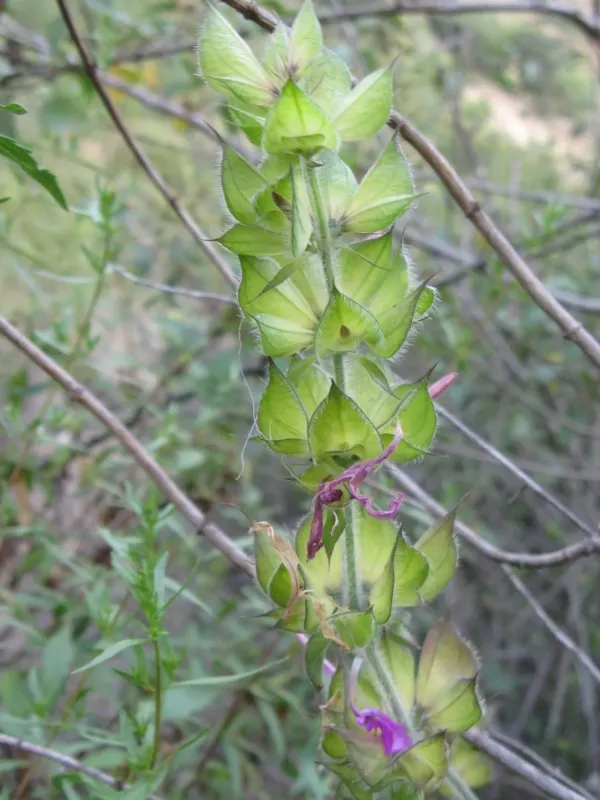
Description
Sowing dates
Sowing of Dicliptera peruviana is typically performed in greenhouses or protected environments to ensure stable germination conditions. As a member of the Acanthaceae family, it requires warmth and consistent humidity.
Seeds are sown in a lightweight, well-draining soil mix at a depth of approximately 0.5 cm. Maintaining a steady temperature of about 22–24 degrees Celsius is crucial for successful emergence.
Seedlings need to be transplanted once they develop at least two true leaves. Gentle handling is required to protect the delicate root system during the initial stages of development.
Hardening off the seedlings before moving them to their permanent outdoor location is a mandatory step for acclimatization. This process helps the plant withstand environmental stress.
Spacing should be managed to ensure adequate ventilation, which significantly reduces the risk of fungal issues later in the plant's growth cycle.
Growing requirements
The plant thrives in bright, indirect light, as direct sunlight can scorch its leaves. Adequate lighting is the primary factor in maintaining healthy growth and vibrant appearance.
A fertile, loamy soil with a neutral to slightly acidic pH is ideal. Good soil aeration is essential, as the plant does not tolerate waterlogging and requires high oxygen levels for the roots.
The optimal temperature range is 18–28 degrees Celsius. Dicliptera peruviana is not frost-tolerant and must be protected from cold winds or temperatures dropping below 10 degrees.
Regular moisture is needed during the peak growing season. While the soil should be kept moist, it must not remain soggy, as this quickly leads to root rot issues.
Balanced fertilizers rich in trace elements should be applied every few weeks throughout the growing season to support continuous foliage production and overall plant health.
Main diseases and pests
Spider mites are the most common pests affecting this culture, especially in low-humidity conditions. They rapidly colonize the undersides of leaves, causing yellowing and tissue death.
Whiteflies can also cause significant damage by feeding on plant sap. Integrated pest management strategies are recommended, including the use of sticky traps and periodic inspections.
Fungal diseases like root rot often emerge from improper watering practices. Ensuring that the soil drainage system is functioning correctly is the best prevention method.
Powdery mildew may occur when air circulation is poor and humidity levels are too high. Pruning and selective thinning of foliage can help improve airflow around the plants.
Systemic insecticides should be applied only as a last resort if infestations become severe. Prioritizing healthy cultural practices is always the most effective form of plant protection.