
Acalypha senegalensis
Acalypha senegalensis
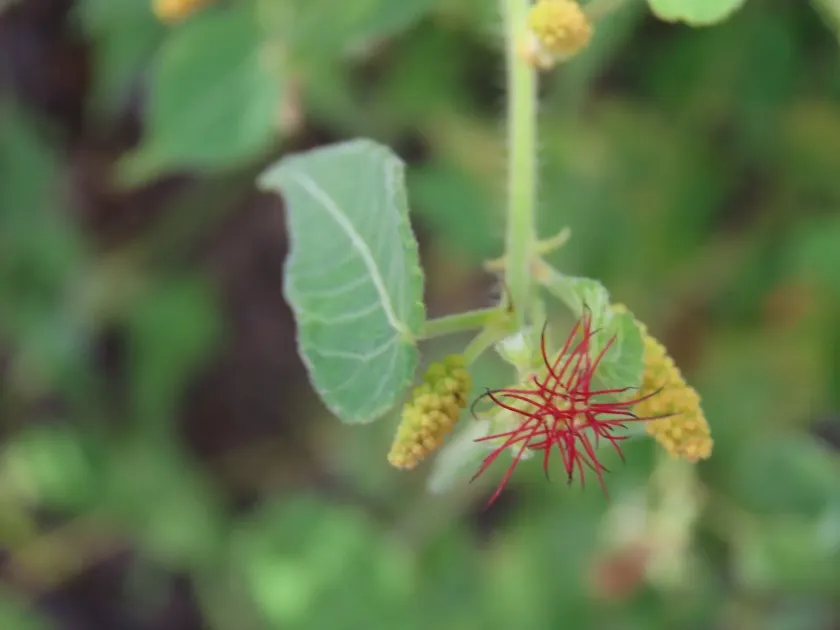
Description
Sowing dates
Acalypha senegalensis is an herbaceous annual plant belonging to the Euphorbiaceae family. It is native to tropical regions of Africa, where it has historically been utilized by local populations as a medicinal and occasionally fodder resource.
The life cycle of this plant is closely synchronized with the rainy season. Under natural conditions, seeds germinate shortly after the first significant rains, which provide the necessary moisture for the activation of dormant embryos.
When cultivating this species, timing is crucial. Seeds should be sown when the soil temperature consistently remains above 20°C to ensure vigorous development. Cold soil inhibits germination and increases the risk of seed decay.
The seeds are typically planted at a shallow depth of approximately 1–2 centimeters. This depth allows the young shoots to reach the surface quickly, utilizing their energy reserves efficiently before they start independent photosynthesis.
Sowing density should be managed to ensure adequate spacing between plants. A spacing of 30–40 centimeters is usually sufficient to promote healthy branching and prevent the overcrowding that can lead to disease transmission.
Growing requirements
Acalypha senegalensis is highly adapted to tropical climates and demands warm temperatures for optimal growth. Temperatures in the range of 25°C to 32°C are ideal; the plant will struggle significantly if temperatures drop below 15°C.
The plant performs best in well-drained, sandy or loamy soils. It has a low tolerance for heavy, waterlogged soil, which can rapidly cause root suffocation and facilitate the development of soil-borne fungal pathogens.
Sunlight requirements for this species are high. It is a heliophytic plant that requires direct exposure to sunlight to maintain its metabolic rate and to develop the chemical compounds for which it is valued in traditional medicine.
Water requirements are moderate. While the plant can withstand short periods of drought due to its evolutionary adaptation to arid cycles, it requires regular moisture during the vegetative growth phase to maximize biomass yield.
Soil nutrient management should focus on basic fertility. Nitrogen is beneficial during the early vegetative stage, while balanced application of phosphorus and potassium helps in strengthening the plant structure and preparing it for the reproductive phase.
Yield
The economic value of Acalypha senegalensis is primarily linked to its leaves and aerial stems. These are harvested and dried for medicinal purposes, as they are known to contain flavonoids, tannins, and other bioactive secondary metabolites.
In certain pastoral regions, the plant is also utilized as a supplementary forage crop for small ruminants. It provides an essential source of nutrients during the drier parts of the year when other green fodder is scarce.
Yield management involves harvesting the biomass before the plant enters the full flowering stage. Once the plant begins to produce seeds, the chemical composition of the leaves shifts, and the stems become too fibrous for high-quality usage.
Processing harvested material requires careful drying in a shaded, well-ventilated area. Rapid drying in direct sun can degrade the sensitive medicinal compounds, thereby reducing the commercial quality of the final product.
Consistent yield depends on effective weed management. Because the plant is relatively slow to establish in its very early stages, timely weeding is necessary to prevent competition for light and soil moisture.
Main diseases and pests
The primary threats to Acalypha senegalensis are fungal infections resulting from excessive soil moisture. Root rot is a common issue that can lead to the sudden collapse of plants if drainage is not properly maintained.
In terms of pests, sucking insects like aphids and whiteflies frequently infest the foliage. These pests cause chlorosis and stunted growth, and their feeding activity can also serve as a vector for various plant viruses.
Spider mites are another common pest, particularly during hotter, drier periods. They feed on the underside of leaves, which can lead to premature leaf drop and a significant reduction in the total harvestable biomass.
To control these threats, integrated pest management is recommended. This includes the use of bio-rational pesticides and the practice of crop rotation to ensure that soil-borne pathogens do not build up over successive planting seasons.
Preventative measures are essential, such as ensuring adequate ventilation around the plants and avoiding the use of contaminated water sources, which could introduce unwanted bacteria or fungi to the plantation.