
Dicliptera sexangularis
Dicliptera sexangularis
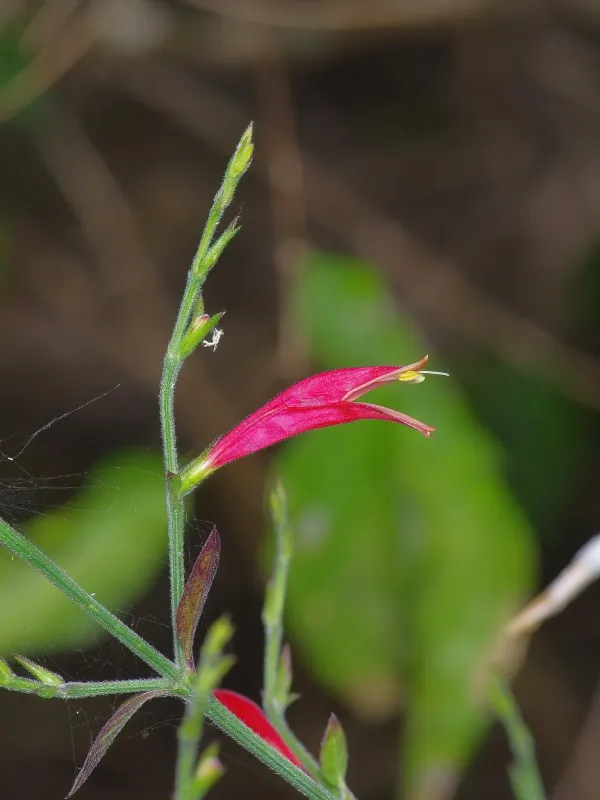
Description
Sowing dates
Seeds of Dicliptera sexangularis should be sown in a controlled environment with soil temperatures consistently between 22 and 25 degrees Celsius. Pre-soaking seeds can enhance germination rates and ensure a more uniform emergence of seedlings.
Vegetative propagation via stem cuttings is the most reliable method for maintaining desired plant characteristics. Cuttings should be placed in a moisture-retentive, sandy-peat mix under high humidity to encourage rapid root development.
Planting density depends on the intended aesthetic result, with 12 to 16 plants per square meter providing good coverage for decorative beds while allowing sufficient airflow to minimize fungal risk.
Seedlings require transplanting into individual containers once the first true leaves have developed. This step allows for the establishment of a healthy root structure before moving the plants to their final growth locations.
Moisture levels during the initial germination phase must be carefully managed to avoid seed rot. Using misting systems is ideal for maintaining the delicate balance of humidity required for successful establishment.
Growing requirements
The optimal temperature for Dicliptera sexangularis ranges from 20 to 28 degrees Celsius. The plant should be protected from cold drafts and sudden temperature fluctuations, which can trigger leaf drop and stunt growth.
Bright, filtered light is essential for the plant to maintain its stem shape and prevent excessive elongation. Direct midday sun should be avoided to prevent leaf scorch, especially in regions with high light intensity.
Maintaining a relative humidity of 60% or higher is recommended for healthy leaf development. In dryer climates, regular misting or the use of humidifiers is necessary to keep the foliage in pristine condition.
Regular fertilization with a balanced, water-soluble fertilizer is required during the active growth period. Micronutrients, especially iron and magnesium, should be included to prevent interveinal chlorosis.
Watering should be deep and consistent, allowing the top layer of soil to dry slightly before the next application. Preventing water stagnation is crucial for root health, as stagnant moisture quickly leads to decay.
Main diseases and pests
Spider mites are a common pest, particularly in environments with low humidity. Regular scouting and the use of appropriate miticides or biological controls are necessary to manage potential infestations.
Powdery mildew can affect the foliage if air circulation is poor or if the plants are crowded. Increasing spacing and improving ventilation are primary measures to prevent the spread of fungal spores.
Root rot, caused by various soil-borne pathogens, is a significant threat when soil is kept constantly soggy. Ensuring excellent drainage and avoiding overwatering are the best preventative strategies.
Mealybugs may colonize the leaf axils, requiring careful inspection and manual removal or the application of systemic insecticides. Keeping plants clean and free of debris helps minimize pest harborages.
Integrated pest management protocols, including regular visual inspections and maintaining optimal environmental conditions, significantly reduce the need for chemical interventions in professional plant production.