
Dicliptera resupinata
Dicliptera resupinata
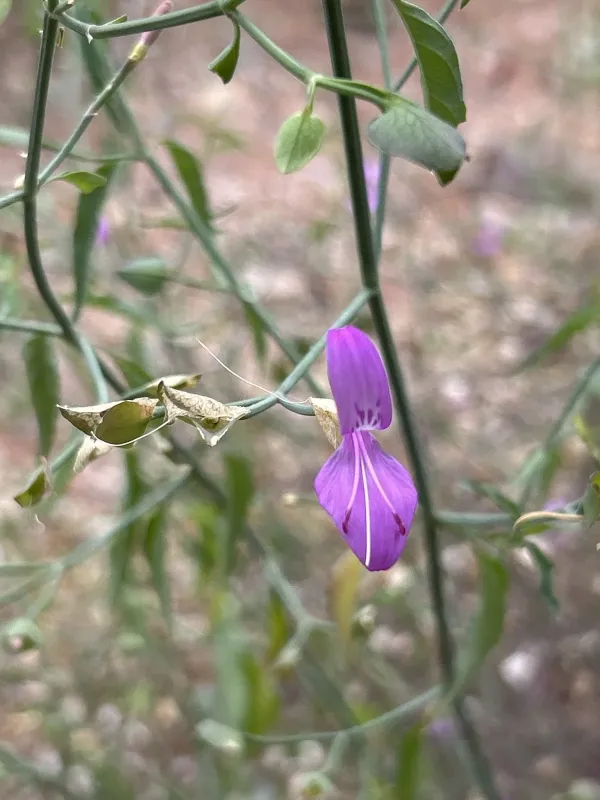
Description
Growing requirements
Dicliptera resupinata is a perennial herbaceous plant belonging to the family Acanthaceae. This species is recognized for its unique adaptation to dry environments and its ornamental appeal, making it a subject of interest for specialized horticulture and botanical gardening.
The plant originates from the arid regions of North and Central America, specifically Mexico and the southwestern United States. Its evolutionary history in rocky canyons and foothill habitats has equipped it with strong resilience against environmental stressors, particularly drought and heat.
Botanically, the plant displays opposite leaves and distinct, protective bracts surrounding the flowers. These structural elements are essential for attracting specific pollinators, as they provide both a visual signal and a physical structure that guides insects towards the reproductive organs of the flower.
To cultivate this species successfully, growers must provide full sun to partial shade and a well-draining soil medium. The plant thrives in neutral to slightly alkaline pH levels, and it is imperative to ensure that the soil does not retain excessive moisture, as this species is prone to root rot.
Agricultural practices for this culture emphasize the necessity of deep but infrequent watering. In colder climates, it is recommended to manage Dicliptera resupinata as a container plant, allowing for controlled overwintering in frost-free conditions to ensure the survival of the rootstock.
Main diseases and pests
Root rot is the most significant disease threat, primarily caused by waterlogged soil conditions. Growers must prioritize proper drainage and avoid overwatering to maintain the integrity of the root system and ensure the long-term health of the plant.
Spider mites and aphids represent the primary insect threats to this culture. These pests are particularly problematic in hot and dry climates, where they can colonize the foliage rapidly, leading to yellowing, stunted growth, and a general decline in the plant's aesthetic value.
Powdery mildew may occur if the plants are placed in areas with insufficient airflow or high humidity levels. Maintaining appropriate plant spacing is a critical cultural practice that promotes natural air circulation, thereby reducing the risk of fungal proliferation on the leaves.
Integrated pest management strategies should be employed to mitigate these risks. This includes the use of beneficial insects, regular foliage inspections, and the application of horticultural oils or approved insecticides only when populations exceed economic thresholds.
Sanitation practices, such as removing dead foliage and debris from the base of the plant, significantly decrease the likelihood of disease transmission. Keeping the growing environment clean and providing balanced nutrition are essential for maintaining the plant's natural disease resistance.