
Chinese dicliptera
Dicliptera chinensis
Description
Growing requirements
Chinese dicliptera (Dicliptera chinensis) is a perennial herbaceous plant belonging to the Acanthaceae family. It is native to Southeast Asia, specifically prevalent in China and surrounding tropical regions, where it thrives in shaded undergrowth and riparian habitats.
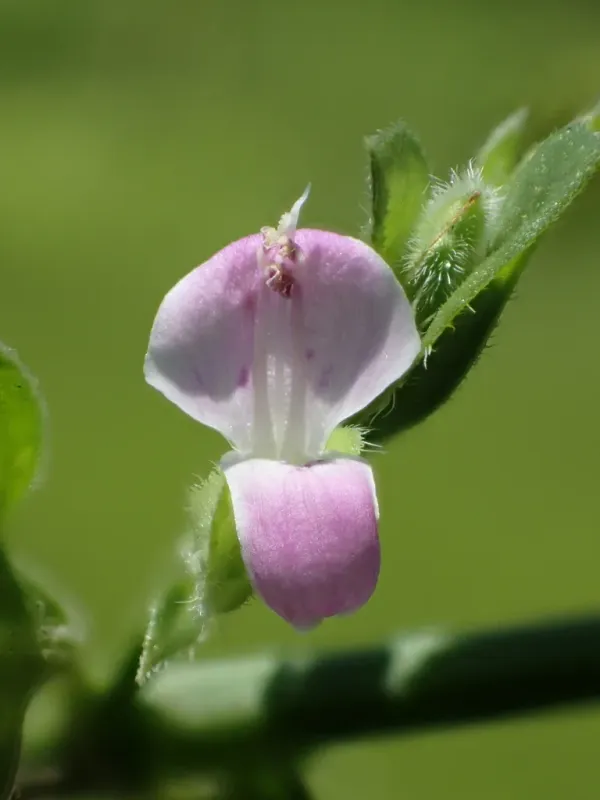
Botanically, it is recognized by its spreading habit and quadrangular stems. The leaves are ovate-lanceolate, and the flowers are enclosed in prominent, leaf-like bracts, which are a defining characteristic of the species within the genus.
Climatic requirements focus on a tropical to subtropical range. The plant performs best in environments with high humidity and stable temperatures between 22 and 30 degrees Celsius. It is highly sensitive to frost, which limits its outdoor cultivation to frost-free zones.
Soil quality must be high in organic matter to support the rapid vegetative growth required for biomass production. A well-draining soil structure is mandatory, as the root system is prone to hypoxia if the soil becomes waterlogged for extended periods.
Agronomic management includes maintaining adequate spacing to ensure airflow between plants. This practice is essential to reduce the humidity around the lower foliage and promote uniform development of the harvestable herb mass.
Main diseases and pests
Fungal infections such as root rot and leaf spot are the most significant threats to the productivity of the crop. These conditions often arise from excessive moisture and inadequate soil aeration.
Pests such as spider mites and aphids are commonly encountered during the vegetative phase. They thrive in protected environments and can cause significant damage to the soft leaf tissues if left untreated.
Integrated Pest Management (IPM) is the recommended strategy. This involves monitoring population thresholds and using beneficial insects or biological sprays rather than broad-spectrum synthetic pesticides.
Weed control is also critical during the early stages of growth, as the crop lacks the vigor to compete with aggressive weeds for sunlight and nutrients.
Sanitation practices, such as clearing debris from the field post-harvest, are vital to break the life cycle of soil-borne pathogens that might otherwise survive the winter months.