
Dicliptera japonica
Dicliptera japonica
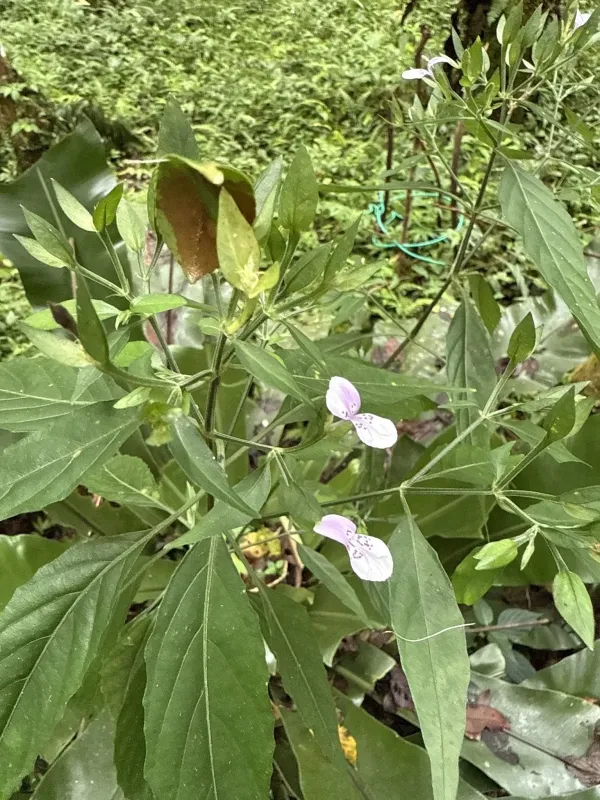
Description
Sowing dates
Dicliptera japonica is a perennial herbaceous plant belonging to the Acanthaceae family. Propagation is primarily performed through seeds, which require specific conditions for successful germination.
The optimal time for sowing is early spring in protected environments or greenhouse trays. Using a lightweight, moisture-retentive substrate ensures that the delicate seeds can sprout without struggling against heavy soil.
A stable temperature between 20 and 22 degrees Celsius is essential for germination. Seeds should be sown at a shallow depth and provided with sufficient light, as light exposure is often necessary to trigger the growth process in this species.
Once the seedlings have developed two sets of true leaves, they should be transplanted into individual pots. This step allows for the development of a robust root system before the plants are hardened off and eventually moved to their permanent location.
The plant demonstrates vigorous growth, so adequate spacing of 30 to 40 centimeters is recommended when planting out to ensure sufficient airflow and prevent overcrowding during the peak of the growing season.
Growing requirements
This crop thrives in partial shade or areas with diffused sunlight. Direct, harsh sun can be detrimental to the leaves, leading to scorching and reducing the overall health and ornamental value of the plant.
Soil quality is paramount for Dicliptera japonica. It requires fertile, well-draining soil rich in organic matter. A slightly acidic to neutral pH is ideal for promoting nutrient uptake and steady foliage production.
Regular watering is a critical component of its care. The soil should remain consistently moist, but not waterlogged, as stagnant water is a primary cause of root failure and susceptibility to pathogenic fungi.
During the active growth phase, supplemental fertilization with organic or balanced mineral fertilizers can be beneficial. Focusing on nitrogen promotes the development of lush foliage, which is often the desired output for medicinal harvest.
Maintenance tasks include periodic weeding and soil aeration. Keeping the base of the plant free from weeds reduces competition for nutrients and ensures that the root system has access to necessary oxygen levels.
Main diseases and pests
Common pests affecting Dicliptera japonica include aphids and spider mites, especially in environments where humidity levels are poorly managed or airflow is restricted, such as in greenhouse cultivation.
Root rot is the most common disease, typically caused by overwatering or poor drainage. Symptoms include wilting, yellowing of the leaves, and stunted growth, which can quickly lead to the death of the plant if not addressed.
Powdery mildew can also occur if the plants are packed too densely. Proper spacing and ensuring adequate ventilation are the best preventative measures to mitigate the risk of fungal outbreaks in the planting area.
Integrated pest management, favoring biological controls over chemical pesticides, is highly recommended. This approach preserves the plant’s suitability for traditional medicine and minimizes chemical residues.
Routine inspections of the underside of leaves and the crown of the plant are essential for catching infestations early. Prompt removal of damaged leaves can prevent the spread of disease across the field.
Harvesting
Harvesting is ideally timed during the peak flowering stage, as this is when the concentration of essential oils and other active botanical compounds is at its highest point for extraction or use.
The stems should be cut using clean, sharp shears to minimize trauma to the plant. Leaving a small portion of the stem can encourage regrowth, allowing for multiple harvests within a single season under favorable conditions.
Drying must be conducted in a dark, well-ventilated space to preserve the chemical integrity of the plant. Maintaining temperatures below 40 degrees Celsius prevents the degradation of delicate active ingredients.
Once fully dried, the plant material should be processed or stored in airtight containers. Keeping the dried product in a cool, dark location ensures long-term shelf stability and potency.
Consistency in drying and storage practices is key to maintaining the high standard of the harvested material for culinary or medicinal applications.