
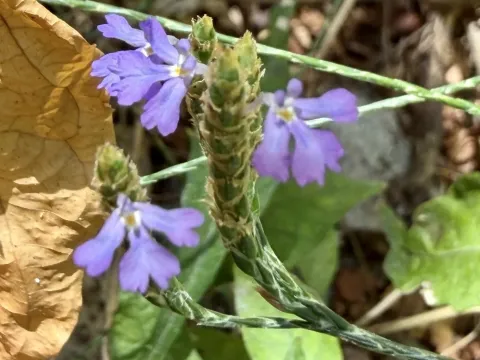
Elytraria
Elytraria
Propagation of Elytraria is primarily achieved through seeds, which should be sown in early spring to take advantage of the warming soil temperatures. Maintaining a soil temperature around 22 degrees Celsius is ideal for uniform germination.
What the section contains


Elytraria
Using a sterile, well-draining seed-starting mix is essential to prevent seedling dampening-off. The seeds are small and should be pressed lightly into the surface without deep burial.
During the germination phase, providing high ambient humidity is crucial. A greenhouse or a clear cover over the seedling trays can help create a microclimate conducive to early development.
Once seedlings develop their first true leaves, they should be transplanted into larger containers or individual cells to allow sufficient space for root expansion.
Proper hardening-off procedures are necessary before moving the young plants to their final growth location to ensure they can withstand ambient outdoor conditions.
Elytraria belongs to the Acanthaceae family and is native to tropical and subtropical regions. It thrives in locations that offer dappled shade, protecting it from intense, direct sunlight.
The soil requirements involve a loamy, nutrient-rich substrate with a balanced pH. Good aeration is vital to ensure that the root system does not suffer from oxygen deprivation.
Regular irrigation is necessary, particularly during active growth stages, though the soil should never become waterlogged, as this is a common cause of crop failure.
The plant performs best in a climate with consistent warmth. It is highly sensitive to frost, so temperature management must be a priority in regions with cooler seasons.
Application of a balanced liquid fertilizer during the peak growth months can significantly improve the health and biomass production of the crop.
The most significant threats to Elytraria crops include fungal pathogens that exploit poor drainage or high humidity conditions. Root rot is a primary concern for growers.
Insect pests such as spider mites and mealybugs can infest the foliage, particularly in indoor or greenhouse settings where air circulation might be limited.
Integrated Pest Management (IPM) practices are highly recommended, involving the use of biological predators or targeted organic sprays to keep pest populations below the damage threshold.
Regular sanitation of the growing environment is essential to break the lifecycle of common pests and prevent the accumulation of fungal spores in the soil media.
Monitoring for signs of nutrient deficiencies or pest damage early on allows for timely intervention, preserving the overall yield and quality of the harvest.
The harvest timing for Elytraria is focused on the flowering stage. Harvesting at the peak of bloom ensures that the concentration of secondary metabolites is at its highest.
Tools used for harvesting must be disinfected to prevent the transmission of pathogens between plants. The harvest usually involves cutting the aerial parts of the plant.
Drying should commence immediately after harvest to preserve the chemical integrity of the plant tissues. The drying area must be well-ventilated and shaded.
Excessive heat during the drying process should be avoided to prevent the volatilization of beneficial compounds. Temperatures between 30 and 40 degrees are generally considered safe.
Proper storage in moisture-proof containers is the final step, ensuring that the harvested material maintains its quality and potency until it is ready for further processing.