
Acanthopanax villosus
Acanthopanax villosus
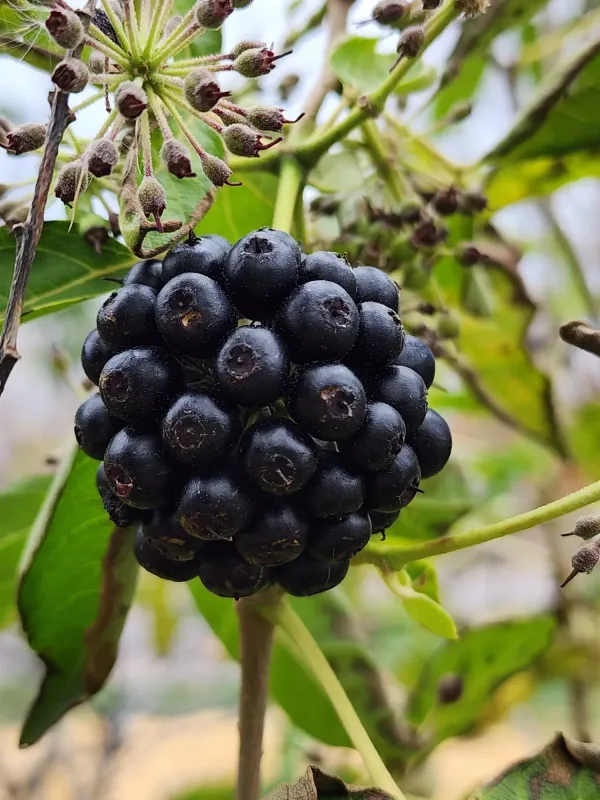
Description
Sowing dates
Acanthopanax villosus is a perennial shrub belonging to the Araliaceae family. The plant is typically propagated by seeds, which require a lengthy stratification period at low temperatures to break dormancy and ensure successful germination.
Sowing in open ground is best performed in late autumn to allow for natural stratification throughout the winter. If sowing in the spring, seeds must undergo a cold moist stratification process for at least 3–4 months.
Seedlings develop slowly during the first few years of growth. It is essential to keep the soil weed-free and consistently moist to ensure the young plants establish a healthy root system during their initial development.
Transplanting into a permanent plantation site should occur when the plants are 2–3 years old. Planting is ideally done in early spring, just before the start of the active growing season.
The spacing between plants should be approximately 1.5 to 2 meters to accommodate the shrub’s spreading habit and ensure sufficient airflow, which is critical for plant health.
Growing requirements
This crop thrives in well-drained, fertile loamy soils with a neutral to slightly acidic pH. Avoiding waterlogged conditions is paramount, as the roots are highly susceptible to rot if they remain in saturated soil.
A sunny location is preferred, although young specimens may benefit from partial shade during the hottest part of the day. Providing protection from strong, cold winds is also important for survival in harsher climates.
The plant demonstrates moderate cold hardiness once established, but it is sensitive to late spring frosts, which can damage emerging shoots and set back seasonal growth.
Regular fertilization with organic matter is highly beneficial for productivity. Applying mulch around the base of the plant helps maintain soil temperature and moisture levels, which is crucial during the early stages.
While the plant develops drought tolerance as it matures, regular watering during dry spells is mandatory for the first few years to maintain steady growth rates.
Yield
The primary economic value of Acanthopanax villosus lies in its roots and bark, which are utilized for their potent adaptogenic properties. Yield depends significantly on the plant's age and soil fertility.
Harvesting the roots for commercial or medicinal purposes should be delayed until the plants reach 5–7 years of age. This allows for sufficient accumulation of active biological compounds.
With proper management and optimal spacing, a plantation can produce a substantial amount of raw material per hectare. The crop is increasingly valued for its pharmaceutical potential.
In addition to the roots, the leaves may be harvested for medicinal use. However, selective harvesting is required to avoid putting undue stress on the shrubs before they enter winter dormancy.
Regular pruning of old or diseased branches helps maintain a vigorous plant structure, promoting healthy root development and increasing overall production yields over the lifespan of the plantation.
Main diseases and pests
Excessive soil moisture is the primary threat to the crop, often leading to fungal root rots. Poor drainage in plantation sites is the leading cause of plant mortality.
Pests such as aphids or leaf-feeding insects may occasionally infest the plants. While they rarely kill mature specimens, minor outbreaks should be managed with biological controls to prevent spread.
Fungal leaf spots can occur during seasons with prolonged rainfall or high humidity. Maintaining proper plant spacing to ensure good air circulation is the most effective preventative measure.
Small rodents can damage the bark during winter, often girdling the plant and killing it. Installing protective wire mesh around the lower stems during the winter months can prevent this.
Implementing a crop rotation strategy is vital to preventing the buildup of soil-borne pathogens, ensuring the long-term health and productivity of the agricultural site.
Harvesting
The harvest of the roots is conducted in late autumn, once the plant has slowed its metabolic activity. Harvesting at this time ensures the highest concentration of bioactive compounds.
Roots are carefully dug up to avoid unnecessary damage. They are then cleaned of soil and washed gently in cool water, ensuring they are not soaked for too long to avoid leaching of beneficial compounds.
Drying the material is a critical step; it should be done in a well-ventilated, shaded area or an industrial dryer at temperatures below 50 degrees Celsius to preserve medicinal qualities.
Properly dried roots should be stored in a cool, dark, and dry place using breathable containers, such as burlap or paper bags, to prevent mold growth during the storage period.
Post-harvest, the field should be cleaned of all debris and amendments added to the soil to prepare for the next planting cycle or to support soil recovery.