
Achetaria
Achetaria
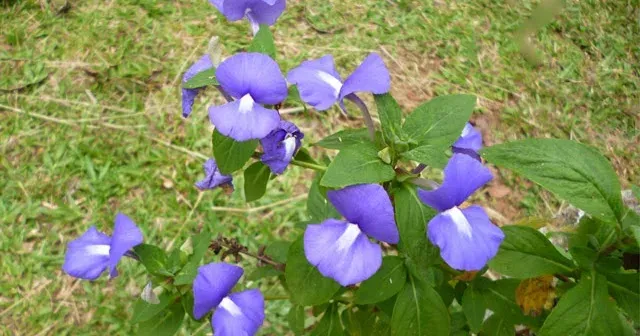
Description
Sowing dates
Achetaria is a genus belonging to the Plantaginaceae family, often recognized for its distinct morphological features. These plants are typically cultivated in controlled environments or specific garden settings, requiring careful management during their early growth stages.
Seed propagation is the most common method, usually performed in late winter or early spring. Seeds require a consistent temperature, typically around 20–22 degrees Celsius, and a moist, sterile growing medium to ensure optimal germination rates.
The substrate must be light and well-aerated to prevent seed decay. Once the seedlings reach the stage of having two true leaves, they should be transplanted into individual containers to ensure adequate space for root system development.
Acclimatization of the seedlings is essential before they are moved to the permanent outdoor location. Gradually exposing the plants to environmental factors over a period of two weeks helps build stress tolerance and ensures successful establishment in the field.
Proper spacing during the final planting stage is vital to avoid overcrowding. Depending on the specific cultivar, plants should be spaced at least 20 to 30 centimeters apart to allow for proper airflow and development.
Growing requirements
Achetaria thrives best in locations that provide plenty of bright, indirect sunlight. While these plants can tolerate some sun, they often prefer protection from intense afternoon heat, which can scorch the foliage and hinder healthy development.
Well-draining, nutrient-rich soil is a primary requirement for this crop. Adding organic matter, such as compost or peat, can significantly improve the soil structure, providing the necessary moisture retention while preventing waterlogging.
Regular irrigation is necessary, particularly during the active growing season. The soil should be kept consistently moist but not saturated; allow the top layer of the soil to dry slightly between waterings to prevent root-related issues.
Fertilization should be managed carefully, using a balanced nutrient formula throughout the growing season. Nitrogen-rich fertilizers are beneficial for vegetative growth, while phosphorus and potassium promote stronger stems and overall plant stability.
Maintaining a weed-free area around the base of the plant is critical. Regular weeding and the application of organic mulch can help retain soil moisture and reduce the competitive pressure from surrounding weeds, ensuring optimal nutrient uptake.
Main diseases and pests
Pests such as aphids and spider mites can pose a threat to Achetaria, especially in warm and dry conditions. These insects target the leaves and young shoots, causing damage that can reduce the plant's overall health and aesthetic appeal.
Integrated pest management, including the use of biological control agents or insecticidal soaps, is recommended to manage these infestations. Early detection is key, so gardeners should monitor the plants regularly for signs of leaf yellowing or webbing.
Fungal pathogens like powdery mildew can occur if there is poor air circulation or excessive humidity. Ensuring proper spacing between plants and watering at the base rather than on the foliage can significantly reduce the risk of infection.
Root rot is a major risk associated with waterlogged conditions. It is essential to ensure that the soil has excellent drainage and that no water is left standing around the root zone, as this can quickly lead to plant death.
Sanitation practices play a vital role in preventing the spread of diseases. Any plant tissue showing signs of infection should be removed and disposed of carefully to protect the rest of the crop from further contamination or viral spread.