
Abdominea
Abdominea
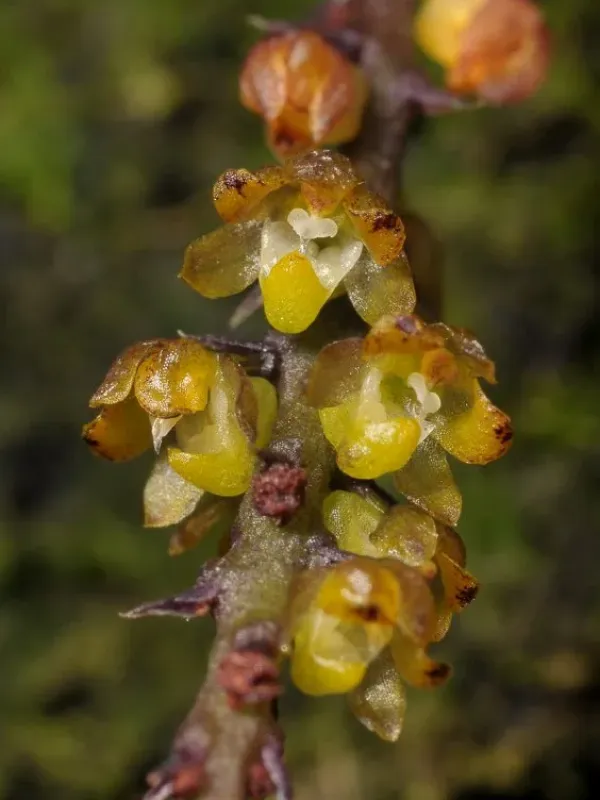
Description
Sowing dates
Abdominea is not a traditional field crop; it is a genus of epiphytic orchids primarily cultivated by professional nurseries and hobbyist collectors.
Propagation is typically achieved through vegetative division of mature specimens during the repotting process to ensure plant stability.
Seed-based propagation is highly complex and generally reserved for laboratory environments using specialized agar media and sterile techniques.
The ideal time for division is immediately following the flowering period, allowing the plant sufficient time to establish roots before the next growth cycle.
Maintaining sterile conditions during the division process is essential to prevent the transmission of pathogens into the vascular system of the plant.
Growing requirements
This orchid requires high environmental humidity and stable temperatures to mimic its native tropical rainforest canopy habitat.
It thrives best under diffused light conditions, as direct exposure to harsh sun rays can lead to severe tissue damage and leaf chlorosis.
The planting medium must be highly porous and inorganic-based, such as pine bark or tree fern fibers, to facilitate rapid drainage and root aeration.
Watering schedules must be adjusted seasonally, ensuring that the root system is allowed to dry out slightly between irrigation cycles to prevent root rot.
Optimal growth is observed when temperatures are consistently maintained between 20 and 26 degrees Celsius with constant gentle air movement.
Main diseases and pests
The most significant threat to Abdominea is fungal decay resulting from stagnant moisture within the mounting medium or around the root crown.
Pests such as scale insects and mealybugs frequently target the plant, feeding on sap and often leaving behind sticky residue that attracts further fungus.
Low humidity levels increase the susceptibility of the plant to spider mite infestations, which manifest as stippling on the leaves.
Bacterial soft rot can occur if water remains trapped in leaf axils for extended periods, especially during cooler nights with poor ventilation.
Preventive maintenance, including routine inspections and the use of insecticidal soaps, is vital for maintaining the long-term health of the collection.