
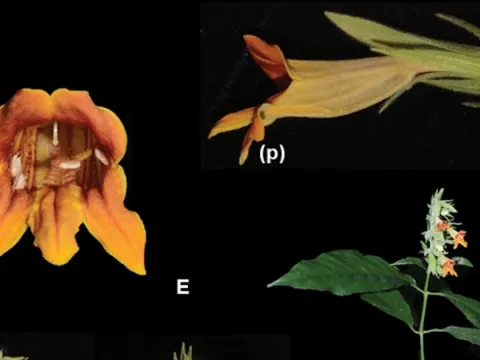
Chroestes
Chroestes
Chroestes is a genus of plants belonging to the Acanthaceae family. While not a primary global commodity, it is recognized for its distinct botanical properties and requirements characteristic of its native tropical habitat.
What the section contains
Chroestes
The plant thrives in well-drained, nutrient-rich soils with a slightly acidic to neutral pH level. Integrating organic matter into the soil profile is essential for supporting consistent growth and enhancing nutrient uptake throughout the season.
Temperature management is critical for Chroestes, as it prefers a stable environment, ideally between 22 and 28 degrees Celsius. Extreme cold or intense heat can lead to physiological stress and reduced developmental rates.
Light exposure should be carefully regulated. Chroestes prefers filtered or indirect light, as direct midday sun can scorch the foliage and hinder the overall photosynthetic capacity of the plant.
Watering requirements involve maintaining a constant but moderate soil moisture level. Avoiding waterlogged conditions is paramount, as the root system of this genus is highly susceptible to hypoxia and subsequent decay.
Pest pressures primarily include mites and whiteflies, which are common challenges in tropical crop production. Integrated Pest Management (IPM) strategies are recommended to mitigate damage without negatively impacting the surrounding ecosystem.
Fungal pathogens such as powdery mildew can be problematic during periods of high humidity and poor air circulation. Improving spacing between plants is a highly effective preventative measure against these infections.
Root rot, often caused by Pythium species, occurs when soil management practices fail to ensure proper drainage. Monitoring the moisture level of the root zone is a standard protocol for maintaining healthy stands.
Thrips can also affect the crop by feeding on tender tissue, which may lead to deformed growth and increased vulnerability to secondary infections. Early detection through field scouting is vital for effective control.
Sanitation practices, including the removal of infected plant debris, serve as the first line of defense against both pests and pathogens, ensuring that the primary crop maintains its vigor and yield potential.