
Ecbolium
Ecbolium
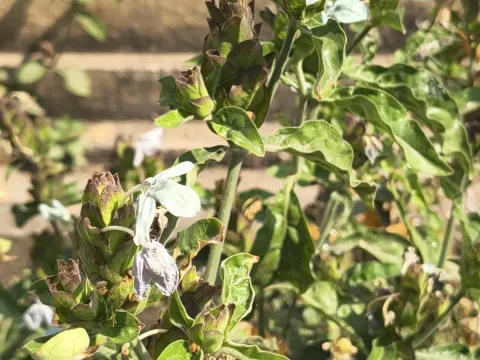
Ecbolium is a genus of flowering plants belonging to the Acanthaceae family. These species, native to tropical regions of Africa and Asia, are characterized by their striking floral structures and distinct biological activity in their vegetative tissues.
What the section contains


Ecbolium
The plant thrives in warm, humid climates and is highly sensitive to frost. Ideal growing conditions require consistent temperatures between +22°C and +30°C, making it suitable for greenhouses or tropical field cultivation.
Cultivation requires well-drained soil with a slightly acidic to neutral pH. A loose, aerated substrate prevents root asphyxiation, which is essential for maintaining plant vigor and preventing fungal infections in the root zone.
In terms of light exposure, Ecbolium prefers bright, filtered sunlight. While it can withstand some degree of shade, high light intensity is crucial for stimulating flowering and the development of high-quality medicinal compounds.
From a socioeconomic perspective, the plant is primarily cultivated for the pharmaceutical industry. The presence of specific phytochemicals makes it an object of interest for developing anti-inflammatory and antiseptic herbal extracts.
Seeds are typically sown in early spring in controlled environments. Pre-sowing treatment, including soaking seeds in lukewarm water, is recommended to break dormancy and ensure uniform germination across the field or seedbed.
Yields are maximized by maintaining optimal soil moisture and implementing a balanced fertilization schedule. High-yield production is typically achieved in the second year, once the plant has fully established its vegetative structure.
The primary threats to Ecbolium include root rot and powdery mildew, often induced by stagnant air and excess moisture. Pest management should focus on early detection of spider mites and whiteflies to avoid significant crop losses.
Harvesting is performed during the peak flowering stage to capture the highest concentration of phytochemicals. It is crucial to process the harvested biomass immediately in temperature-controlled drying facilities to preserve the plant's medicinal integrity.